

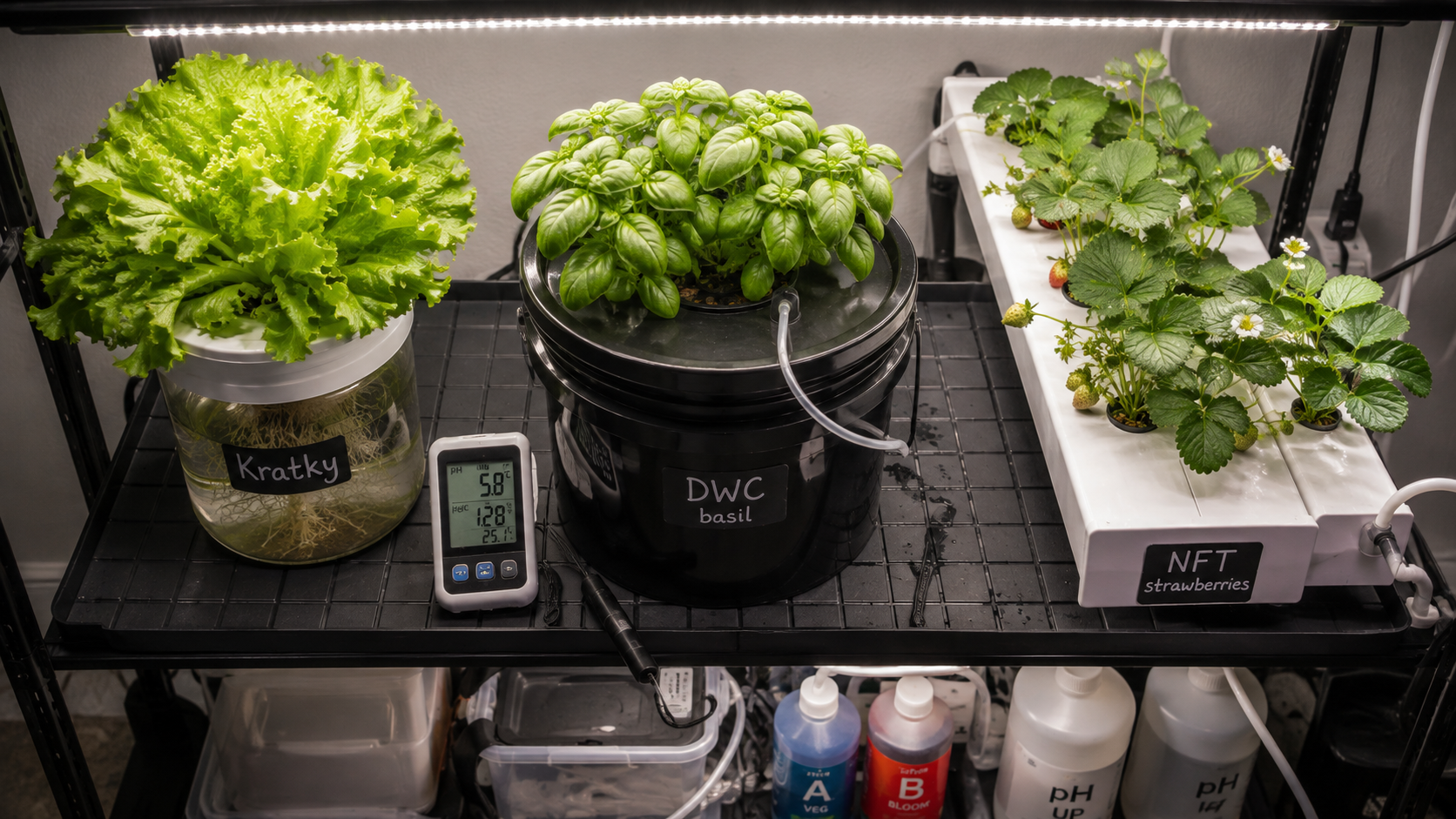
Quick Answer: Grow With Hydroponics organizes its crop guides into four families — leafy greens, herbs, fruiting crops, and microgreens — plus a dedicated cluster for hydroponic roses. Pick your crop family below, match it to a system type (Kratky, DWC, or NFT), and jump straight to the full guide.
If you’ve spent any time browsing hydroponic crop guides online, you’ve probably run into the same problem twice. First, most “complete guides” turn out to be a list of ten crop names with a sentence each — not enough to actually grow anything. Second, even when a guide is thorough, it rarely tells you whether that crop fits the system sitting on your counter right now.
That’s the gap this page is built to close. Grow With Hydroponics has been publishing crop-specific hydroponic guides for a while now, covering everything from basil to strawberries to hydroponic roses, and this page is the map that ties them together. Instead of re-explaining what’s already covered in depth elsewhere, this library sorts crops by family, tells you which systems actually work for each one, and points you straight to the full guide.
By the end of this page, you’ll know which crop family fits your experience level, which hydroponic system pairs best with it, and exactly where to click for the step-by-step version.
What Are the Main Hydroponic Crop Families?
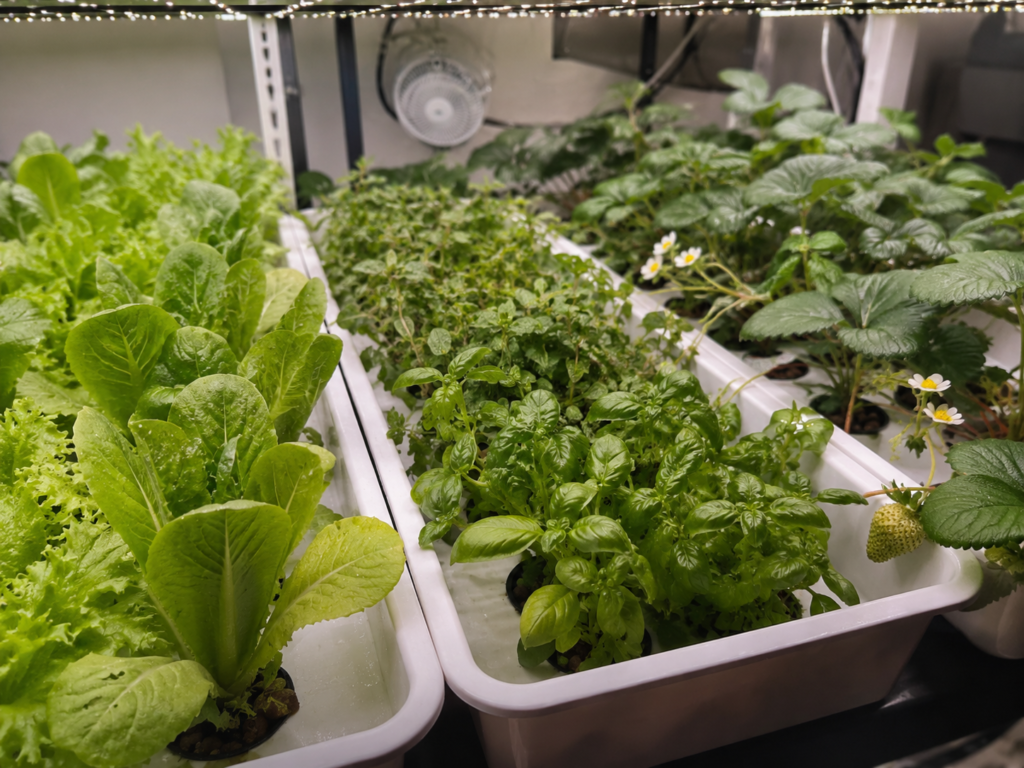
Hydroponic crops fall into four practical families, plus a specialty ornamental category. Leafy greens (lettuce, kale, spinach, arugula) are the fastest and most forgiving. Herbs (basil, mint, cilantro) are nearly as easy but more sensitive to light and pruning. Fruiting crops (strawberries, tomatoes, peppers) take longer and need more stable systems. Microgreens are the fastest of all, ready in one to two weeks. Ornamentals, led by hydroponic roses, sit in their own category because they’re grown for bloom quality, not harvest speed.
Leafy Greens
Leafy greens are where almost every hydroponic grower starts, and for good reason. Good starter plants include lettuce varieties like butterhead and romaine, along with spinach, kale, Swiss chard, and arugula. These crops tolerate a wide EC range, don’t punish minor pH drift the way fruiting crops do, and go from seed to harvest in three to six weeks depending on variety.
A dedicated lettuce guide is on the roadmap for Grow With Hydroponics — until it’s live, the best hydroponic plants to grow guide covers lettuce selection and pairs it with system recommendations.
Herbs
Herbs reward attention but punish neglect faster than leafy greens do. Basil is the classic example — fast, productive, and forgiving of small mistakes, but it bolts quickly if light or temperature swings too far. The full hydroponic basil growing guide covers exact EC and light targets.
Beyond basil, ongoing herb maintenance — pruning, harvest timing, preventing legginess — is covered in the hydroponic herb garden maintenance guide, system selection specifically for herbs lives in the indoor hydroponic herb garden systems guide, and growers working with limited natural light should check the low-light hydroponic herb gardening guide. Nutrient mixing specifically for herbs is broken down in the hydroponic herb nutrient solution guide.
Fruiting Crops
Fruiting crops are a different commitment entirely. They need stable oxygenation, tighter pH control, and weeks longer to produce anything. Strawberries are the most approachable fruiting crop for a home setup, and the full hydroponic strawberries guide walks through system choice, pollination, and variety selection.
Tomatoes, peppers, and cucumbers are still gaps in the site’s crop library as of this writing — if you’re growing those now, the general system and nutrient guides linked below will get you most of the way there until crop-specific pages go live.
Microgreens
Microgreens are the fastest payoff in hydroponics, often ready to harvest in seven to fourteen days. They’re also nearly foolproof for a first-time grower because the growing window is so short that mistakes rarely have time to compound. The growing microgreens indoors guide covers setup, and the best microgreens to grow guide ranks varieties by flavor, speed, and beginner-friendliness.
Ornamentals: Hydroponic Roses
Roses are grown for bloom quality rather than yield, which changes almost every decision — nutrient ratios, pruning schedule, and system choice all shift toward supporting flower size and fragrance instead of leaf growth. This is the largest crop-specific cluster on the site. Start with the complete guide to growing roses hydroponically, then branch into variety selection, feeding schedules, and troubleshooting from there.How Do I Match a Crop to a Hydroponic System?
Crop choice and system choice aren’t independent decisions — the wrong pairing is one of the most common reasons a beginner’s first hydroponic attempt fails. Kratky suits fast, shallow-rooted crops. Deep Water Culture (DWC) and Nutrient Film Technique (NFT) suit longer-growing or heavier crops that need active oxygenation.
| Crop Family | Best-Fit System(s) | Typical Time to Harvest | Difficulty |
|---|---|---|---|
| Leafy greens (lettuce, kale, spinach) | Kratky, DWC, NFT | 3–6 weeks | Easy |
| Herbs (basil, mint, cilantro) | DWC, wick, NFT | 4–8 weeks (ongoing harvest) | Easy–Moderate |
| Microgreens | Passive tray, wick | 7–14 days | Easy |
| Fruiting crops (strawberries, tomatoes) | DWC, Dutch bucket, NFT | 8–16+ weeks | Moderate–Advanced |
| Roses (ornamental) | Dutch bucket, DWC | Ongoing (bloom cycles) | Advanced |
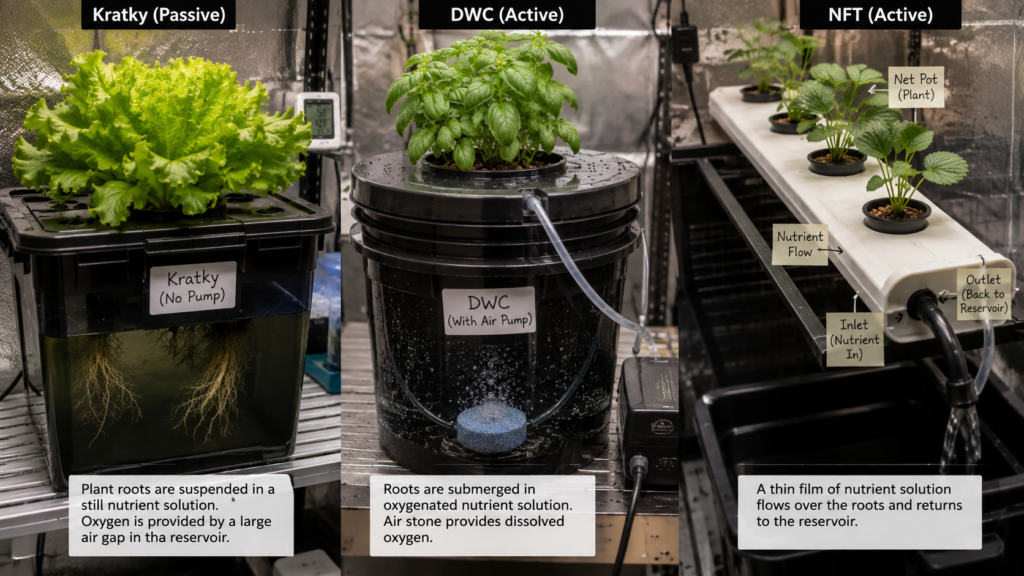
Kratky’s passive, low-oxygen design is what makes it forgiving for leafy greens but a poor fit for anything that needs sustained root oxygenation over months. If you haven’t settled on a system yet, the hydroponic system guide breaks down Kratky, DWC, and NFT in more depth than fits here.
What Beginners Commonly Get Wrong Here
The most common mistake is picking a crop based on what looks impressive rather than what matches the system already on hand. A beginner with a small Kratky bin who starts with tomatoes is set up to fail before the first true leaves appear — not because tomatoes are impossible in hydroponics, but because Kratky can’t deliver the sustained oxygen a fruiting crop needs over a multi-month grow cycle. Experienced growers tend to do the opposite: they pick the system first, based on space and time budget, then choose from the crops that system actually supports well.
What Environmental Targets Do I Need to Know Before Choosing a Crop?
Every crop needs its EC (electrical conductivity, a measure of nutrient concentration), pH, and light targets dialed in — and these targets shift meaningfully between crop families. Leafy greens generally run a lower EC (around 0.8–1.2 mS/cm) than fruiting crops, which often need double that once flowering starts.
Two of the reviewed government and university sources land in the same range for baseline pH: OSU Extension notes that nutrient solutions for soilless culture should be maintained between pH 5 and 6, which is broadly consistent with what most crop-specific guides on this site recommend as a starting point before fine-tuning per crop.
Rather than repeat a full EC/PPM breakdown here, the EC to PPM conversion guide covers exact numbers and conversion math, and vapor pressure deficit — which affects transpiration and nutrient uptake differently across crop families — is covered in the what is VPD guide.
Which Hydroponic Crop Should a Beginner Start With?
A beginner should start with lettuce, basil, or microgreens. These three crops tolerate common early mistakes — slightly off pH, inconsistent light, minor EC drift — without a total crop loss, and they all reach harvest fast enough to teach lessons quickly.
What Happens If You Skip Straight to Advanced Crops
Jumping straight to strawberries or roses isn’t impossible, but it removes the feedback loop that makes hydroponics easy to learn. A grower who starts with a twelve-week strawberry cycle won’t know their pH schedule is wrong until real damage has already been done. Starting with a three-week lettuce cycle means mistakes show up — and get corrected — much faster.
Common Mistakes When Choosing a Hydroponic Crop
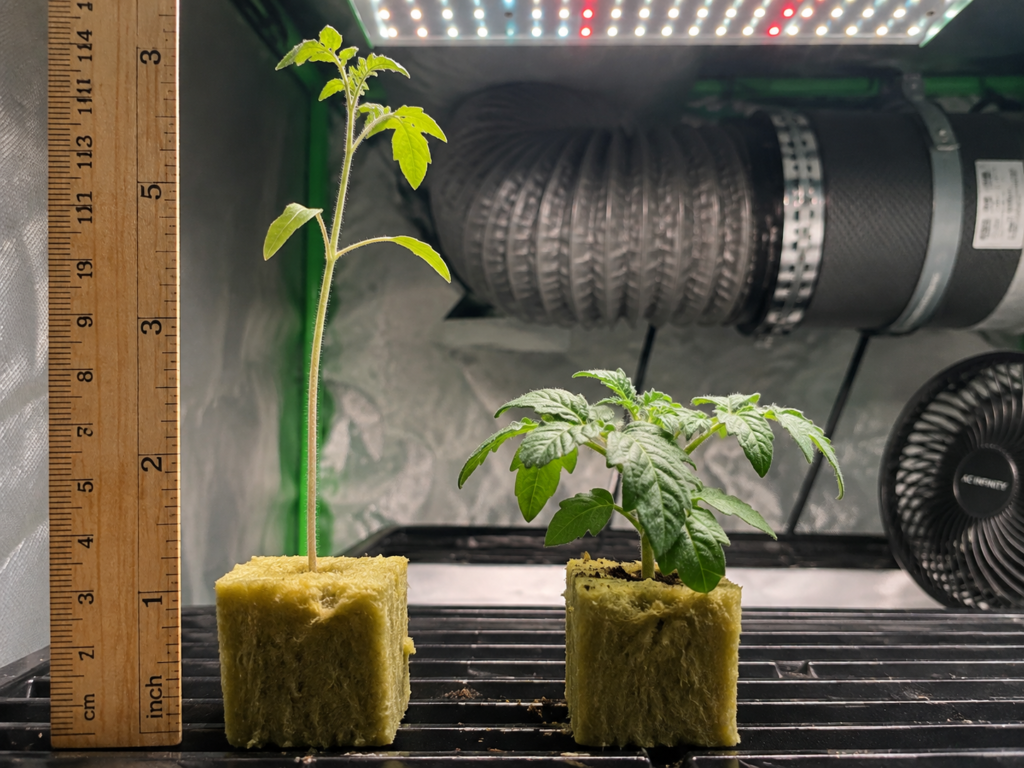
- Ignoring light requirements. Fruiting crops generally need higher Daily Light Integral (DLI) than leafy greens; under-lighting a tomato or strawberry setup is one of the most common causes of weak, leggy growth.
- Overestimating available time. Herbs and fruiting crops need regular pruning and monitoring; leafy greens and microgreens need comparatively little.
- Choosing a system after the crop instead of before. As covered above, this is the single biggest setup mistake beginners make.
- Assuming one EC/pH range fits every crop. It doesn’t — always check the crop-specific target before mixing a nutrient solution.
- Skipping troubleshooting resources until something goes wrong. The plant health diagnosis tool is worth bookmarking before problems appear, not after.
Advanced Tips: Growing Multiple Crops Together
Once you’re past your first successful harvest, running two or three crop families in parallel is realistic — as long as their EC and pH targets don’t conflict too sharply. Leafy greens and herbs pair well because their target ranges overlap closely. Mixing fast-cycling leafy greens with a slow fruiting crop in the same reservoir is riskier, since the fruiting crop’s rising EC needs late in its cycle will overshoot what leafy greens tolerate.
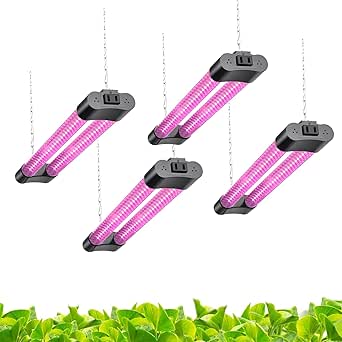
Shop Smart: if you’re expanding into a second crop family, double-check your grow light coverage before you add plants — a light sized for a lettuce tray often falls short once fruiting crops are added under the same fixture.



Frequently Asked Questions
What’s the easiest hydroponic crop for a first-time grower? Lettuce, basil, and microgreens are the easiest starting points. All three tolerate minor pH and EC mistakes without a full crop loss, and they reach harvest in one to six weeks, which means you get feedback on what’s working fast.
Can I grow strawberries and lettuce in the same hydroponic system? Not in the same reservoir long-term — their EC needs diverge too much as strawberries mature. They can share a grow space with separate reservoirs, or you can run them in sequence rather than simultaneously.
Do all hydroponic crops need the same pH range? No. Most crops do best somewhere in the 5.5–6.5 range, but the ideal number shifts by crop and growth stage — fruiting crops in particular need tighter control once flowering starts than leafy greens do at any stage.
How do I know which hydroponic system fits the crop I want to grow? Match growth duration and root demands to the system: short-cycle, shallow-rooted crops like lettuce do well in Kratky, while longer-growing or heavier crops like strawberries need active oxygenation from a DWC or NFT setup.
Is there a dedicated guide for hydroponic tomatoes on this site? Not yet — tomatoes, peppers, and cucumbers are current gaps in the crop library. Until dedicated guides go live, the general hydroponic system and nutrient guides linked throughout this page will get you most of the way there.
Bringing It All Together
Choosing a hydroponic crop isn’t really about which plant sounds most impressive — it’s about matching your system, your available time, and your patience for troubleshooting to a crop family that fits. Start with leafy greens, herbs, or microgreens if you’re new. Move into fruiting crops once you’ve got a full cycle or two under your belt. And if roses are the goal, treat them as their own specialty rather than an extension of vegetable growing.
Grow With Hydroponics will keep expanding this library as new crop-specific guides go live, so bookmark this page as your starting point rather than any single crop guide. If you’re still deciding on hardware before you pick a crop, the system comparison guide is the logical next stop.
