

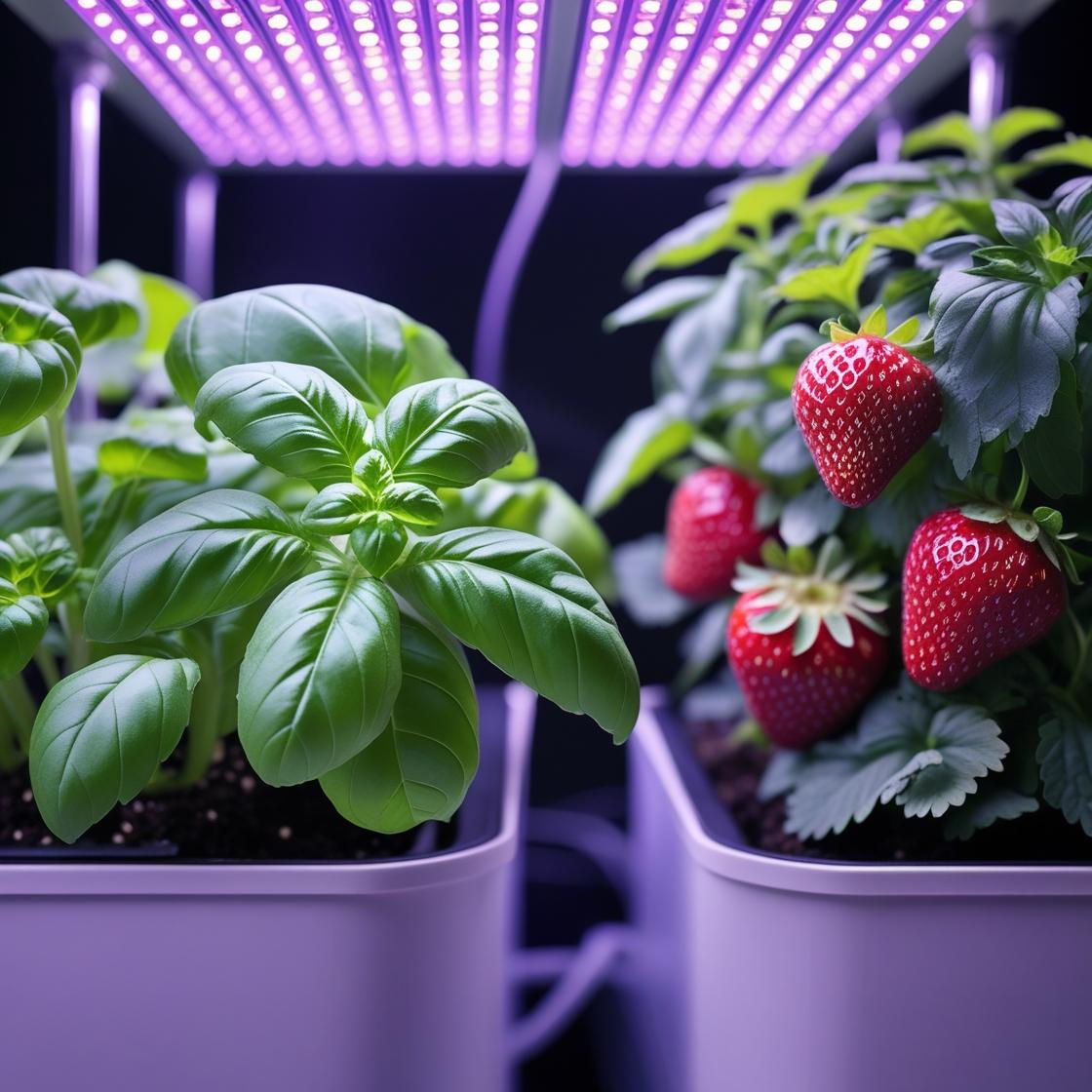
Hydroponic gardening allows you to grow many types of plants without using soil. This revolutionary growing system has quickly become the go-to choice for home gardeners, indoor growers, and commercial farmers. The system provides for the rapid, clean, and efficient growth of herbs, berries, and vegetables. The only thing you need is the right structure, nutrients, lush water, and a little bit of organization. Whether you’re interested in learning about how to grow strawberries, basil, lettuce, or even tomatoes, our guide has the best growing tips available and hydroponic systems that will help ensure success. If you’re new to Hydroponic gardening, we recommend our Tools Suite.
What Are Hydroponic Plants?
Hydroponic plants are those that are grown in water solutions, using mineral-enriched mediums as opposed to soil. The roots receive all necessary essential elements from a nutrient-rich water solution instead of soil. This encourages growth, takes up less space, and uses only a fraction of the water that regular soil gardening does. Plants can be hydroponically cultivated to:
- Absorb nutrients directly from water.
- Grow more rapidly as a result of continual nutrient availability.
- Grow indoors or in small urban settings.
- Avoid soil-related diseases and pests.
Even makeshift setups or home hydroponic grow kits can create a productive indoor hydroponics garden that offers fresh vegetables and herbs all year long.
Why People Choose Hydroponics
There are a variety of reasons why so many opt for hydroponic gardening, including that it is
- Effective: Uses 90% less water than soil gardening.
- Clean: No mud mess, fewer pests and weeds.
- Efficient: Plants grow up to 25–50% faster due to the increased yields.
- Eco-friendly: Great for urban gardening, vertical hydroponics, and smart hydroponic farming.
Hydroponics is for beginners eager to experiment at home as well as professionals seeking larger-scale food production.
Top Hydroponic Plants To Grow
Many plants don’t all behave in the same way when it comes to hydroponics. Some fit in easily, even as others require special handling and system tweaks. Here are the 12 of the best hydroponic plants to grow either indoors or in greenhouses.
Basil
One of the most straightforward herbs to grow and a top pick for novice growers. It is a fragrant herb that does best when it’s grown in high-nutrient water and placed under artificial hydroponic grow lights. Benefits of growing basil:
- Fast growth and continuous harvests.
- Weekly leaf harvesting once mature.
- Ideal for salads, pasta, and sauces.
Basil is Napier Deep Water Culture (DWC) or Nutrient Film Technique (NFT) friendly. As long as the temperature stays warm and the lights are steady, basil just keeps churning out leaves all year long.
Strawberries
Growing strawberries is trickier than herbs but much more satisfying. They do well in the vertical NFT systems, as they have a continuous flow of water over the roots. Key requirements for strawberries:
- Constant temperature (60–80°F) and humidity maintenance.
- Reasonable levels of indoor pollination support (manual or with fans).
- Frequent trimming and checking hydroponic nutrient solution levels.
The biggest advantage? You’ll appreciate sweet, dirt-free strawberries without pests, mold, or dirt. If cared for properly, strawberries can fruit several times a year, meaning that you won’t just have harvests here or there.
Lettuce
It is also an optimal choice for both new and expert growers. It’s fast growing, easy to maintain, and does great in Raft Systems or Kratky method set-ups. Why Lettuce is Ideal for a Hydroponic System:
- Matures in 4–6 weeks.
- Requires minimal space.
- Great for vertical hydroponics farms and indoor hydroponics cultivation.
- Regular supply on salads and wraps.
Some common types include Romaine, Butterhead, and Iceberg lettuce. Lettuce is a staple for many commercial farms due to its quick growth time and high demand.
Spinach and Kale
They are both extremely healthy leafy greens that thrive in a hydroponic system.
- Cooler water temperatures are needed to keep spinach from bolting.
- Kale actually does best a little warmer and holds pretty well.
In both, you have two that do well in deep water culture (DWC) setups, so they are widely preferred by indoor gardeners.
Tomatoes
One of the most common hydroponic vegetables, and they need extra attention compared to greens. They require more attention, an increased area to grow into, and a carefully managed diet. Tips for growing tomatoes:
- Use a drip hydroponic system for even watering.
- Since tomatoes also grow vertically, the trellis is ideal for them as well.
- Provide at least 12–16 hours of intense artificial illumination.
These tomatoes are huge and juicy; they grow faster than soil-grown varieties.
Peppers
Hydroponic peppers (both sweet and hot) come out wonderfully in hydroponics. They, too, like drip irrigation and lots of light.
- Resistant to soil-borne diseases.
- Capable of producing higher yields.
- Excellent for potted or greenhouse culture.
Hydro Herbs (Mint, Coriander, Oregano, and Parsley)
When you’re new to hydroponic gardening, starting with herbs is a smart idea. Herbs shoot up fast, are low-maintenance, and make the best plants for kitchen planters. Popular herbs include:
- Mint: Fast-growing and fragrant.
- Cilantro: Loves cooler water.
- Oregano: Works well in a tiny indoor one, too.
- Parsley: Harvest continuously using the cut-and-come-again technique.
Top Hydroponic Systems for Various Kinds of Plants
Some plants do better in some systems more than others. The correct fit will maximize output and efficiency.
- Deep Water Culture (DWC): Ideal for lettuce, basil, kale, and spinach.
- Nutrient Film Technique (NFT): Ideal for strawberries, herbs, and leafy greens.
- Drip Systems: Good for larger plants such as tomatoes, peppers, and cucumbers.
- Wick System: Easy for beginners, best for growing herbs and small greens.
- Kratky Method: The easiest passive system for lettuce and herbs.
- Aeroponic: An expensive system that uses new technology to offer the best exposure to oxygen and rapid growth.
To learn more about different setups in detail, we refer our post Hydroponic Systems: A Complete Guide for Home Growers.
Key Considerations for Growing Vegetables
There are a few things you need to monitor in the high-yielding hobby of hydroponic farming:
Nutrient Solution
Plants require the proper combination of macronutrients (N, P, K) and micronutrients (Ca, Mg, Fe, Zn). Commercial hydroponic nutrient solution mixes exist, but you can also create your own solutions using calculators. Explore our GrowPro Hydroponic Nutrient Calculator.
pH Levels
The general rule of thumb is that you need a hydroponic pH level between 5.5 and 6.5 in order to be able to absorb your nutrients. pH pens or digital meters aid in routine monitoring. Explore our free tool, the Hydroponic Nutrient Deficiency Calculator.
Lighting
The least power-consuming type of light would be the LED hydroponic grow lights. You might also find value in checking Best Grow Lights and Accessories for Indoor Hydroponics.
- Plants require 12–16 hours of light each day.
- Spectrum-balanced lighting ensures better growth.
For more details, we refer to our guide about Everything You Need to Know About Hydro Grow Lamps / Hydroponic Grow Lights.
Temperature & Humidity
- Ideal grow space temperature: 65-75°F for the majority of crops.
- Humidity: 40–70% (varies with the plant).
Oxygen Supply
Roots need oxygen. As this is the reason, air stones, pumps, or aerated systems are needed for oxygenation even in hydroponic setups.
Advantages of Hydroponic Gardening
Hydroponic gardening is more than a fad; it’s the future of sustainable farming. Key benefits include:
- Grow faster than soil-grown plants.
- Higher yields per square foot.
- cleaner vegetables.
- 90% less water compared to traditional gardening.
- Scalable from kitchen counter installations to industrial farms.
Common Challenges and Solutions
Indeed, hydroponics has its challenges.
- Algae growth: It can be prevented by covering the reservoirs.
- Nutrient imbalance: Pre-calculated nutrient solutions and calculators.
- Hydroponic root health (rot): Provide good air circulation and do not overwater.
- Hydroponic pests and diseases such as aphids or whiteflies are fewer indoors, but still possible.
With careful monitoring and rapid adjustment, these problems are easy to control.
Start Growing Plants Hydroponically
Hydroponic gardening is easier than many believe to get started with. Steps to begin:
- Select a hydroponic system (Deep-Water Culture for new growers).
- Choose the easier ones, such as basil, lettuce, or mint.
- Maintain correct pH levels and nutrient solution levels.
- Provide adequate grow lights and temperature.
- Branch out into strawberries, or tomatoes, and peppers as you become more experienced.
This is why growwithhydroponics.com makes it possible for anyone, even those with very limited space, to grow fresh herbs, leafy greens, fruits, and vegetables indoors, whether in apartments or on balconies. Hydroponics is a modern farming science that uses light, water, and nutrients to grow plants without soil. Once you learn a few simple systems and basic plant-care techniques, fresh organic food can always be available at home. Whether you start with basil on your kitchen counter or scale up to a vertical hydroponic farm growing strawberries and lettuce, the possibilities are endless. But there is more to hydroponic gardening than growing plants; it’s about growing smarter, cleaner, and faster. Try our Hydroponic Tools Suite to explore hydroponics in an engaging way.

Dr. Awais Yousaf
Algorithm Specialist and Associate Professor leading R&D at Grow With Hydroponics. With 5+ years of hands-on experience in smart hydroponic systems, deep learning, and sustainable AgriTech, he is passionate about turning small spaces into high-yield indoor farms. Connect at awais.yousaf@iub.edu.pk