Hydroponic Kits: How to Choose the Right One for Your Space (2026 Guide)

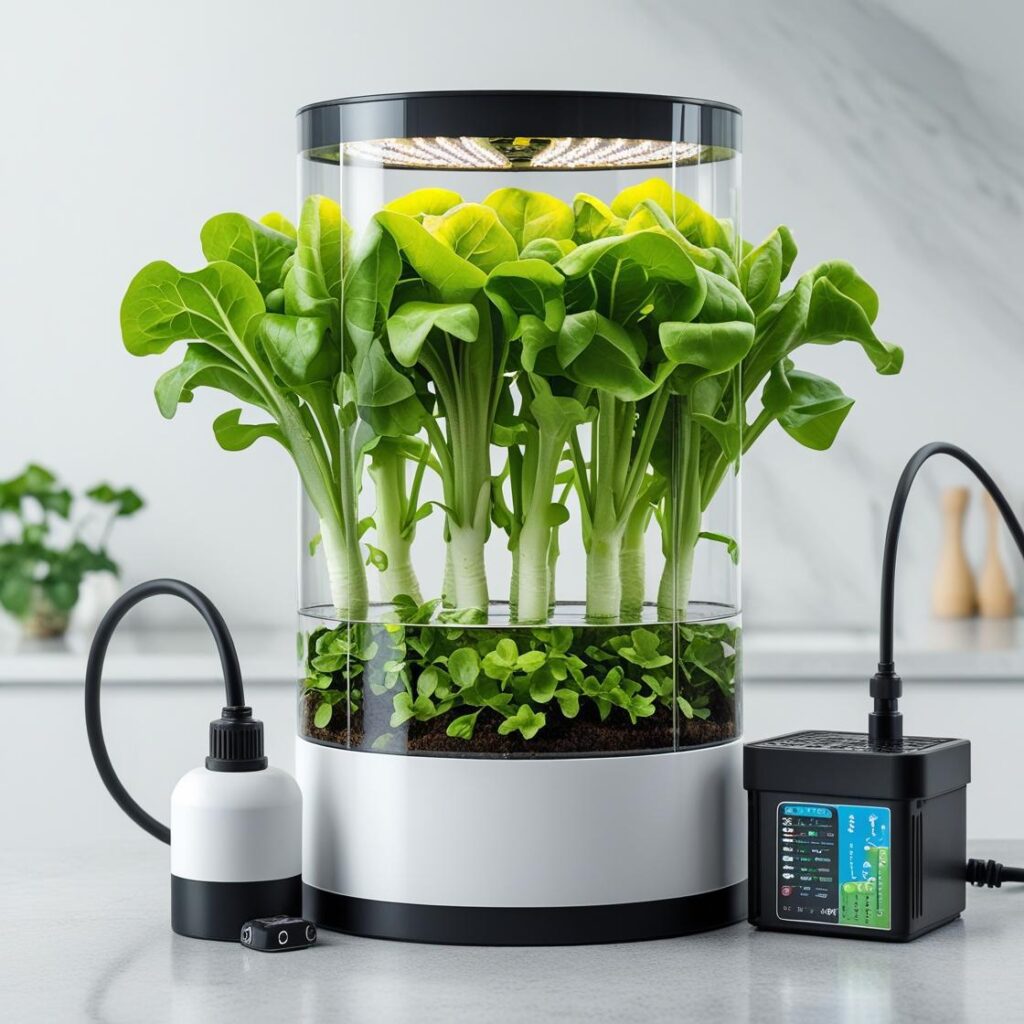
Beginner hydroponic kit with net pots and LED grow light on a kitchen counter

Most people who buy their first hydroponic kit make the same mistake: they pick based on price or looks, not on what they’re actually trying to grow. Then three weeks later the roots are slimy, the lettuce is bolting, or the “easy” kit turns out to need more babysitting than a garden bed ever did. Hydroponic kits are genuinely the fastest way into soil-free growing, but “fastest” only works if you match the kit to your space, your plants, and how much fiddling you actually want to do. This guide walks through what’s inside a kit, the real system types you’re choosing between, and an honest DIY-vs-kit comparison so you don’t end up with the wrong box on your counter. Grow With Hydroponics has tested and written about most of these system types directly, so we’ll flag where the marketing oversells things.

Quick answer: A hydroponic kit is a pre-packaged growing system that includes a reservoir, net pots, a pump or wick (depending on type), and often an LED grow light, letting you grow plants in water instead of soil with minimal setup. Beginners generally do best with a Deep Water Culture or Kratky-style kit.

What Is a Hydroponic Kit, Exactly?

A hydroponic kit is a packaged soilless growing system: a water reservoir, net pots to hold the plants, a nutrient delivery method, and usually a grow light, sold as one unit so you’re not sourcing parts separately.

Inside the box, most kits share four core components. The reservoir holds the nutrient solution — a mix of water and dissolved fertilizer salts formulated for hydroponic use rather than soil. Net pots are the small mesh containers that hold your plant and growing medium (usually rockwool or a similar substrate) while letting roots grow through into the water below. Depending on the kit type, there’s either a pump (to move or oxygenate water) or nothing at all, if it’s a passive design. Many countertop kits also bundle an adjustable LED grow light, since most indoor spots don’t get enough natural light on their own.

None of this is complicated once you’ve seen it laid out, which is part of why kits sell so well — they hide the plumbing decisions a DIY build forces you to make yourself.

Not Sure If Your Kit’s Light Is Enough?

Bundled kit lights are fine for herbs, but leafy greens and anything bigger often outgrow them fast. If you’re planning to scale up, it’s worth seeing what a dedicated grow light adds.

What Types of Hydroponic Kits Are There?

Four hydroponic kit types compared: Kratky, DWC, NFT, and drip systems
Kratky, DWC, NFT, and drip kits side by side — same goal, different mechanics.

There isn’t one “hydroponic kit” — there are four common system types packaged as kits, and they behave differently enough that picking the wrong one is the single biggest reason beginners get frustrated.

Deep Water Culture (DWC) kits suspend plant roots directly in an oxygenated nutrient solution, using an air pump and air stone to keep dissolved oxygen high. It’s forgiving and grows leafy greens fast, but a pump failure can stress roots within hours, so it’s not fully hands-off.

Kratky kits use no pump at all. The method suspends plants above a nutrient reservoir, and as the plant drinks the solution down, an air gap forms that lets the upper roots breathe. The technique was developed and published by B.A. Kratky as a non-circulating hydroponic method for growing lettuce, and it remains the closest thing to “fill it and walk away” in hydroponics — though it works best for fast, compact crops like lettuce and herbs rather than long-season fruiting plants.

Nutrient Film Technique (NFT) kits run a thin, continuously flowing film of nutrient solution across the roots through a sloped channel. It’s efficient with water and nutrients and scales well, but it depends entirely on the pump running — a clog or power cut and the roots dry out fast.

Drip kits deliver nutrient solution to each plant through small emitters on a timer, similar to drip irrigation. They’re flexible across plant sizes but need more monitoring to prevent emitter clogs, especially with mineral-heavy nutrient solutions.

Kit typePump requiredBeginner difficultyBest forMain failure risk
KratkyNoEasiestLettuce, herbs, short cropsSolution running out too early in warm rooms
DWCYesEasy–moderateLeafy greens, fast growthPump/air stone failure
NFTYesModerateLarger leafy crops, scaling upChannel clogs, pump dependency
DripYesModerate–advancedMixed plant sizes, flexible layoutsEmitter clogging

Our complete hydroponic system guide goes deeper into how each of these actually works mechanically, including a full Kratky-vs-DWC breakdown, if you want the engineering behind the table above.

Pre-Made Kit or DIY Hydroponic System — Which Should You Choose?

The honest answer is that a pre-made kit trades money for time, and a DIY build trades time for money — neither is universally better. A kit gets you growing within a day with parts that are already sized correctly for each other. A DIY hydroponic system costs less upfront and teaches you the mechanics, but you’re responsible for sourcing compatible parts and troubleshooting your own mistakes.

Pre-made hydroponic kit versus a DIY hydroponic system build
Pre-made kit on one side, DIY build in progress on the other

When a Kit Makes More Sense Than DIY

Go with a kit if you want a working setup this weekend, you’re growing in a space where looks matter (living room, kitchen counter), or you’d rather learn hydroponics by doing it correctly first, then experiment later. Go DIY if you’re comfortable with basic tools, want to grow more plants than most kits allow, or you’re on a tight budget and have time to spend sourcing parts.

If you ignore this trade-off and buy a kit sized for 6 plants when you actually want a full grow tent’s worth of lettuce, you’ll outgrow it within a month and end up buying twice. Beginners commonly assume a bigger kit is always the safer choice — it isn’t, since more sites means more pump load and more room for one bad plant to spread problems to its neighbors. Experienced growers tend to start small deliberately, run one kit through a full crop cycle, and only scale up once they’ve seen what actually goes wrong in their specific room.

How Do You Choose the Right Hydroponic Kit for Your Space?

The right kit depends on three things in order: how much space you actually have, what you want to grow, and how much daily attention you’re willing to give it. Get those three answers first, and the type of kit mostly picks itself.

Compact stacked hydroponic kit fitted into a small apartment corner
A stacked shelf kit makes hydroponics work even in a tight apartment corner.

Matching Kit to Space, Plants, and Budget

  • Countertop or windowsill (under 2 sq ft): small DWC or Kratky kits built for 3–6 plants; herbs and lettuce only.
  • Small shelf or corner (2–6 sq ft): mid-size DWC or NFT kits, often stackable, good for a rotating supply of greens.
  • Dedicated tent or grow room: larger NFT or drip systems, usually paired with a separate grow light rather than a bundled one — our Grow Space Planner can help you size the layout before you buy.
  • Tight budget, flexible on time: Kratky-style DIY buckets, which need almost no hardware beyond containers and net pots.

Nutrient solution pH matters regardless of which kit you pick. Most hydroponic crops have an optimal pH between 5.5 and 6.5, and staying inside that window is what most affects whether your plants can actually absorb what’s in the reservoir. If you’re mixing your own nutrient solution rather than using pre-dosed packets, our Hydroponic Nutrient Calculator takes the guesswork out of getting the ratio right for your kit’s reservoir size.

What Mistakes Do Beginners Make With Hydroponic Kits?

The most common mistake is treating the kit as fully automatic once it’s plugged in, when every kit still needs regular pH and nutrient checks, water top-offs, and light-schedule attention. A pump running doesn’t mean the solution is balanced.

The second is buying a kit sized for what looks good in a product photo rather than what fits the actual counter or shelf space at home — measure first. And the third is skipping nutrient solution changes; letting the same reservoir run for a full month lets salts concentrate unevenly as plants drink water faster than they take up nutrients, which is a common cause of tip burn and stunted growth even in a “beginner-proof” kit.

None of this makes kits a bad choice. It just means “easy” refers to setup, not to zero maintenance.

Shop Smart: Comparing Kits Before You Buy

If you’re ready to compare actual kits side by side, it’s worth checking specs on reservoir size, pump wattage, and whether the light is full-spectrum before adding anything to cart — those three details predict success more than brand name does. Our Shop Smart page rounds up options we’ve reviewed for build quality and value.

Compare Hydroponic Kits

These are the growing kits we’d point a beginner toward first — checked for reservoir size, pump quality, and light coverage before making the list.

Frequently Asked Questions

Are hydroponic kits worth it for beginners? Yes, for most beginners a hydroponic kit is worth it because it removes the guesswork of sizing pumps, reservoirs, and lights to match each other. The trade-off is a higher upfront cost than building your own from separate parts.

How much does a basic hydroponic kit cost? Basic countertop kits for herbs and lettuce typically sit at the lower end of the market, while larger multi-plant or app-controlled systems cost significantly more. Exact pricing shifts often enough that it’s worth checking current listings rather than relying on a fixed number here.

Do hydroponic kits need sunlight? Most indoor hydroponic kits rely on an included or separate LED grow light rather than natural sunlight, since typical indoor window light rarely provides enough intensity for strong growth. A kit near a bright window can supplement its light, but shouldn’t depend on it alone.

Can I grow vegetables in a small hydroponic kit, or just herbs? Small countertop kits handle herbs and leafy greens like lettuce well, but larger fruiting vegetables such as tomatoes generally need a bigger reservoir, stronger light, and more root space than compact kits provide. Check a kit’s stated plant height and root depth before assuming it’ll handle anything beyond greens.

What’s the easiest hydroponic kit type for a first-time grower? Kratky and Deep Water Culture kits are generally considered the easiest starting points because they involve the fewest moving parts and the most forgiving maintenance schedule. Kratky needs no pump at all, while DWC only adds a single air pump to manage.

Ready to Start Growing

Whether you land on a plug-and-play kit or decide to build your own, the actual growing part isn’t the hard bit — matching the system to your space and staying on top of the basics is. That’s true whether you spend $30 or $300. Grow With Hydroponics has guides for both paths, so if this article pointed you toward a DIY build instead, our home hydroponic gardening manual picks up right where this one leaves off. Pick one kit, run it through a full crop cycle, and you’ll know a lot more about what you actually want next time.

Dr. Awais Yousaf

Algorithm Specialist & Associate Professor

Algorithm Specialist and Associate Professor leading R&D at Grow With Hydroponics. With 5+ years of hands-on experience in smart hydroponic systems, deep learning, and sustainable AgriTech, he is passionate about turning small spaces into high-yield indoor farms. Connect at awais.yousaf@iub.edu.pk

Scroll to Top