

Modern agriculture is under pressure. And not in a vague, theoretical way.
Soil degradation, water scarcity, and climate volatility are already impacting yields. Estimates suggest nearly one-third of the world’s arable land has been lost over the past few decades. You don’t need to be a farmer to feel that—just visit a grocery store during a lettuce shortage.
So naturally, vertical farming gets pitched as the future.
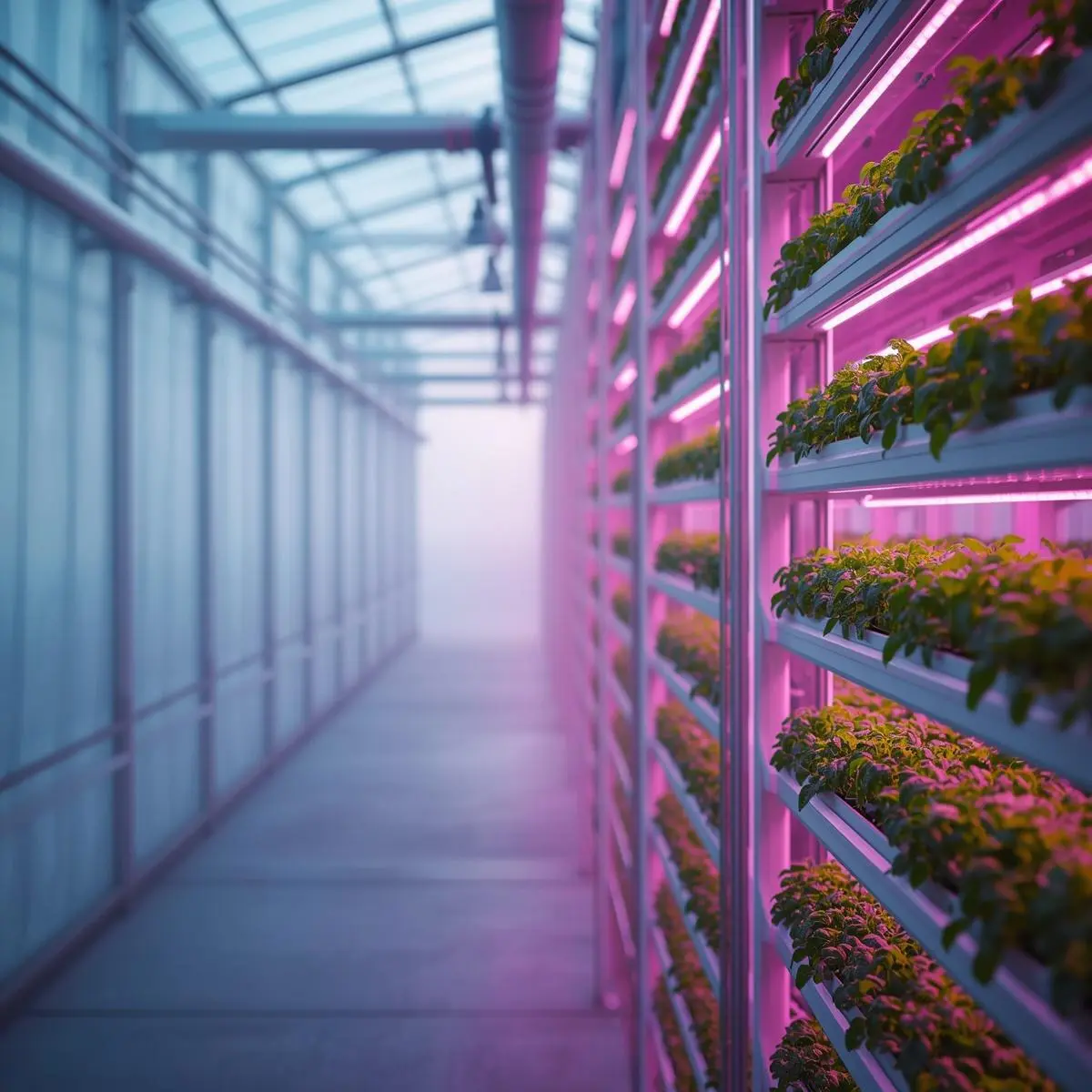
And look, I get the appeal. At Grow With Hydroponics, we’ve seen the renderings: gleaming towers of basil under pink LEDs, feeding cities without a single acre of soil. It looks like progress.
But here’s the reality I’ve watched play out in dozens of setups over ten years:
Vertical farming isn’t a replacement for traditionalagriculture. It’s a specialized solution.
And if you don’t understand exactly where it fits, it can become an expensive mistake—fast.
This guide breaks it down without hype. What vertical farming really is. How it works. What it actually costs. And whether it makes sense for you in 2026.
What Is Vertical Farming? (Simple Explanation)
Vertical farming is the practice of growing crops in stacked layers—usually indoors or inside controlled environments like greenhouses.
Instead of spreading crops across land, you grow upwards.
Most systems rely on three things:
Hydroponics (nutrient-rich water instead of soil)
Controlled lighting (LED grow lights, usually)
Climate management (temperature, humidity, airflow)
The results sound like science fiction:
Up to 90–98% less water usage
Drastically reduced land requirements
Year-round production, regardless of weather
But those benefits come with trade-offs. And most beginner-friendly guides conveniently skip that part.
What Makes Vertical Farming Different (And Harder)
Stacking plants is easy.
Maintaining consistency across every layer? That’s where good growers separate from frustrated beginners.
In real systems, you’re managing:
Light intensity variation between tiers (the top layer always gets more)
Temperature gradients from top to bottom (heat rises, roots notice)
Nutrient distribution inconsistencies (pumps and gravity don’t always play nice)
Even a small imbalance—say, a 10% drop in light to the bottom tier—can affect yield across the entire setup.
This is where most beginners fail. They underestimate the precision required. I’ve seen someone lose an entire tower of kale because they assumed the nutrient solution flowed evenly. It didn’t.
How Vertical Farming Works (Step-by-Step)
Here’s what a typical hydroponic vertical system looks like in practice.
1. Seed Germination
Seeds start in media like rockwool or coco coir. Roots begin forming in a small, controlled environment—usually a humidity dome or propagation tray.
2. Transfer to Vertical Structure
Seedlings move into towers or stacked trays. A single square meter can hold dozens of plants. That’s the magic. And the maintenance headache.
3. Nutrient Delivery
Roots receive a balanced nutrient solution. This requires constant monitoring of:
pH (aim for 5.5–6.5 for most leafy greens)
EC (electrical conductivity—how strong the nutrient mix is)
Check both daily. Skip a weekend? You might come back to yellowing leaves.
4. Controlled Environment
Light, humidity, and airflow are tightly regulated. In hybrid greenhouse systems, natural sunlight reduces energy costs—which I strongly recommend for anyone not running a commercial operation.
5. Harvest & Recirculation
Water is filtered and reused. That’s the efficiency win. But it also means your system is only as clean as your last filter change.
Real example: A friend running a small indoor herb setup skipped cleaning his recirculation lines for three months. Root rot spread across two towers before he caught it. Don’t be that grower.
Types of Vertical Farming Systems (What Actually Works)
Not all systems are created equal. Here’s what I’ve seen succeed in the real world.
| System Type | Best For | Difficulty | Key Trade-Off |
|---|---|---|---|
| Hydroponic Towers | Beginners, leafy greens, herbs | Low to Medium | Lower energy, but still needs daily monitoring |
| Aeroponics | Advanced users, fast growth research | High | Faster growth, but pump failure = dead plants in hours |
| Fully Indoor LED Farms | Commercial scale, total control | Very High | Maximum yield potential, but electricity costs are brutal |
| Container Farms | Mobile setups, brand showcase | Medium to High | Plug-and-play, but expensive per square foot |
1. Hydroponic Towers (Best for Beginners)
Uses nutrient solution instead of soil. Works great for lettuce, basil, kale, and herbs. Lower energy cost—especially if you run them inside a greenhouse with natural light.
Best starting point for most growers. Frankly, this is where you should begin.
2. Aeroponics (High Precision, High Risk)
Roots hang in the air and get misted every few minutes. Faster growth potential—sometimes 30% faster than hydroponics.
But: It’s sensitive. If a misting nozzle clogs or a pump fails, roots dry out in hours. Not overnight. Hours.
Better for advanced users or research setups. Not your first system.
3. Fully Indoor LED Farms
No sunlight. 100% artificial lighting. Maximum environmental control.
But: Extremely high electricity cost. I’m talking 30–60% of your operating budget going to the power company.
Only viable at scale with cheap energy—or very high-margin crops like medicinal herbs or specialty microgreens.
4. Container Farms
Pre-built systems inside shipping containers. Plug-and-play marketing sells them hard.
But: Expensive per square foot. Limited scalability. And once it’s in your parking lot, moving it isn’t trivial.
Real Cost of Vertical Farming (2026 Reality Check)
This is the part most articles avoid. Let’s talk money.
Small DIY Setup (e.g., home use, 2–3 towers)
Initial cost: 300–300–1,000
Monthly electricity: 20–20–80
Medium Indoor Setup (e.g., small business, restaurant supply)
Initial cost: 2,000–2,000–10,000
Monthly electricity: 100–100–500
Commercial Scale (e.g., warehouse farm, retail production)
Setup: $50,000+
Electricity = 30%–60% of total operating cost
Key Insight: Electricity—not equipment—is the real cost driver.
I know what you’re thinking: Can’t I just use cheaper lights?
You can. But lower-quality LEDs mean lower yields. And then you’re spending the same electricity for half the harvest. Do the math before you buy.
When you Shop Smart for vertical farming lights, pair the purchase with a DLI Calculator (Daily Light Integral) so you’re buying the right fixture—not just the brightest one on sale.
Why Most Vertical Farms Fail
Let’s be honest. Many do. I’ve watched three small commercial operations shut down in the last two years alone.
Common reasons:
1. Underestimating Energy Costs
Running lights 12–16 hours daily adds up fast. One grower I know didn’t calculate electricity until after his first harvest. His profit margin disappeared overnight.
2. Growing the Wrong Crops
Staples like wheat, rice, or corn are not viable in vertical systems. They take too much energy per calorie.
Profitable crops for vertical farming:
Lettuce (especially butterhead and romaine)
Basil (genovese and Thai both work well)
Microgreens (high price per pound, short grow cycles)
Kale
Arugula
3. Overcomplicating the System Too Early
Beginners jump into automation—auto-dosers, cloud sensors, smartphone alerts—before they understand the basics.
Simpler systems often perform better for the first year. Master manual monitoring first. Then automate.
4. No Local Market Strategy
Selling to supermarkets = low margins and strict cosmetic standards.
Selling locally (restaurants, farmers’ markets, direct to customers) = better returns and more forgiving buyers.
One basil grower I know switched from grocery stores to pizza restaurants. His price per pound doubled.
What Vertical Farming Is Actually Good For
Vertical farming works best when used strategically, not universally.
Ideal Use Cases:
Urban food production (reduce transport distance)
High-value crops (herbs, microgreens, specialty lettuce)
Water-scarce regions (90%+ less water than field farming)
Controlled research environments (pharmaceuticals, breeding)
What It Cannot Replace
Let me be direct.
Vertical farming is not suitable for:
Wheat
Rice
Corn
Potatoes
Large root crops like carrots or beets (too much vertical space per calorie)
Traditional farming still dominates calorie production. And it will continue to for decades. Vertical farming adds a tool to the box. It doesn’t replace the whole toolbox.
Practical Insight (From Real Growers)
In small and mid-scale systems, I keep seeing the same issue pop up:
Nutrient imbalance across vertical tiers.
Plants at different heights receive slightly different conditions. Top tiers often get more light and airflow. Bottom tiers run cooler and wetter. Over time, that creates uneven growth—some plants bolt, others stay stunted.
The fix isn’t more technology. It’s better monitoring and simpler design.
Rotate your plants between tiers weekly. Check runoff EC at multiple levels. And don’t pack towers so densely that you can’t reach the bottom rows. Your back will thank you.
Tools That Actually Help (Avoid Guesswork)
If you’re planning a vertical farming setup, don’t rely on estimates and gut feelings.
Use:
Grow Space Planner – Map your vertical layout before you buy a single light. I’ve seen people buy towers that literally didn’t fit their ceiling height.
Hydroponic Nutrient Calculator – Takes the guesswork out of mixing. Especially useful when you’re running multiple crop types in one system.
These tools reduce trial-and-error. And trial-and-error is where most money gets lost. Not on equipment—on mistakes you could have predicted.
For a deeper dive on nutrient management across different systems, check out our guide The Truth About Hydroponic Nutrient Calculators. New to indoor growing? Start with our pillar article Small Hydroponic Systems: A Complete Guide to Indoor Farming.
Frequently Asked Questions
Is vertical farming profitable in 2026?
It can be—but only with three things in place: low energy costs, high-value crops (think herbs and microgreens, not lettuce at $2 a head), and strong local demand. Without all three, you’re fighting an uphill battle.
What is the easiest crop to start with?
Leafy greens like lettuce, kale, and arugula. Also basil. They grow fast, forgive small nutrient mistakes, and have short cycles so you can learn quickly.
Do vertical farms use soil?
No. Almost all vertical farms use hydroponics (water + nutrients) or aeroponics (misted roots). Soil introduces too much weight, mess, and disease risk for stacked systems.
How much electricity does a small vertical farm use?
A small DIY setup (2–3 towers) typically uses 20–20–80 per month. A medium indoor setup jumps to 100–100–500. The biggest variable is your local electricity rate.
Can I grow tomatoes vertically?
Dwarf or determinate cherry tomatoes? Yes, with strong lighting and support. Full-size slicing tomatoes? Not practical. They get too tall and need more energy than the math supports.
Is Vertical Farming Worth It in 2026?
Here’s the honest answer after a decade of watching growers succeed and fail:
Yes—but only in the right context.
It works if you:
Start small (seriously, one tower first)
Control costs (especially electricity)
Focus on high-margin crops (microgreens, herbs, specialty greens)
It fails if you:
Treat it like traditional farming (it’s not scalable the same way)
Ignore energy economics (run the numbers before you buy lights)
Scale too fast (one successful harvest doesn’t mean you’re ready for a warehouse)
Vertical farming is not the future of all food. Let that idea go.
But it is the future of efficient, local, controlled food production for specific high-value crops. And if approached realistically—with clear eyes about costs and a willingness to learn from small failures—it can be one of the most powerful tools modern growers have.
At Grow With Hydroponics, we’ve seen hobbyists turn balcony towers into small businesses and commercial growers build genuinely profitable operations. The difference between them wasn’t better lights or fancier automation. It was honesty about what vertical farming can and cannot do. Now you have that same honesty. Go grow something.

Dr. Awais Yousaf
Algorithm Specialist and Associate Professor leading R&D at Grow With Hydroponics. With 5+ years of hands-on experience in smart hydroponic systems, deep learning, and sustainable AgriTech, he is passionate about turning small spaces into high-yield indoor farms. Connect at awais.yousaf@iub.edu.pk