

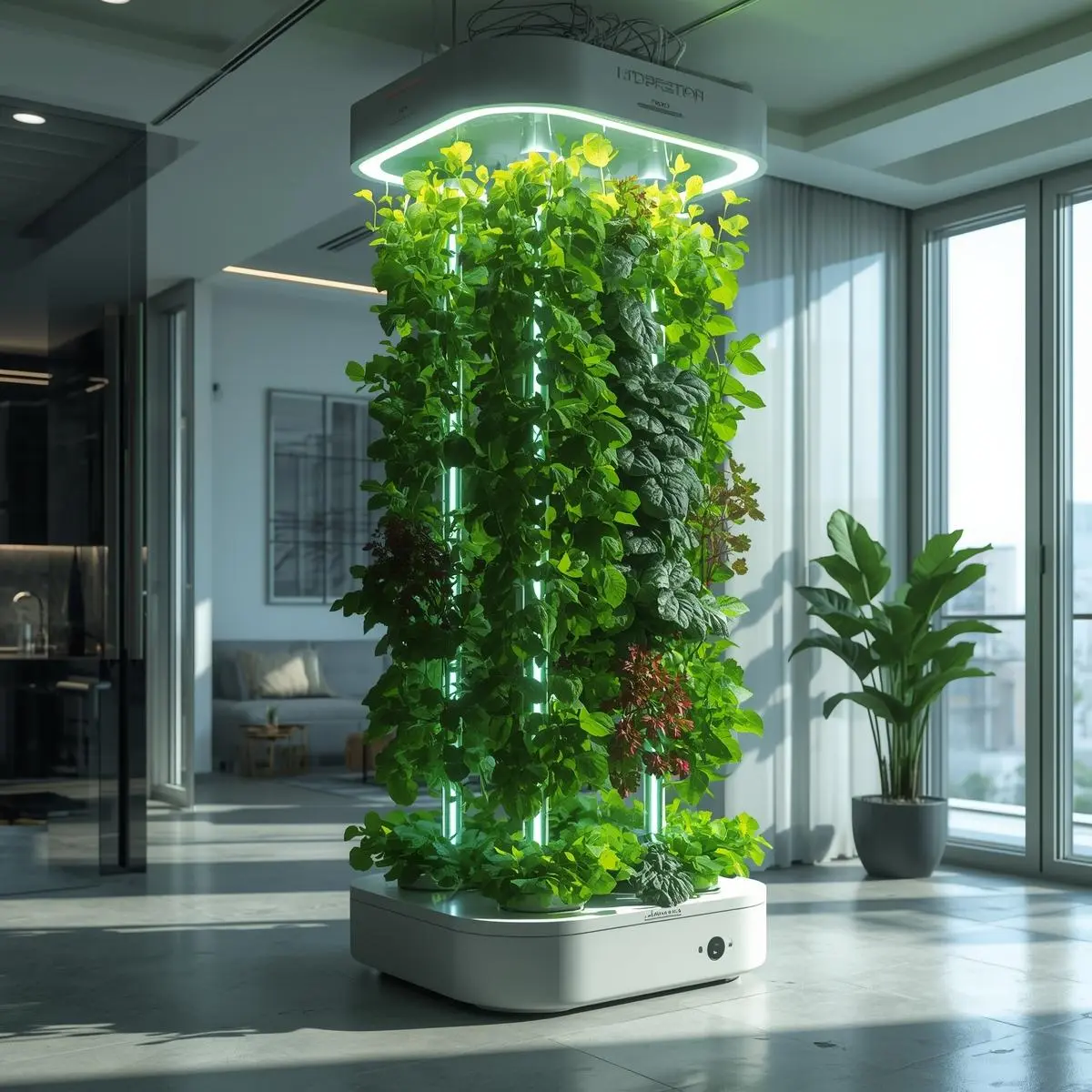
Indoor gardening has quietly evolved from a niche hobby for plant enthusiasts into something far bigger—a genuine cultural shift.
Walk through any city neighborhood and you’ll spot grow lights glowing through apartment windows, kitchens crowded with herb pots, and the occasional hydroponic tower standing where a floor lamp used to be.
As urban living spaces shrink and outdoor gardens become a luxury, more people are simply bringing the outdoors in. The options range from a few herbs on a sunny windowsill to fully outfitted hydroponic systems inside grow tents. And here’s what I’ve learned after watching this space for over a decade: indoor gardening isn’t just about making your home prettier—though it certainly does that. It’s about health, sustainability, and a surprising degree of self-sufficiency that’s available to anyone with a window and a little curiosity.
At Grow With Hydroponics, we’ve watched this transformation up close. In this guide, we’ll cover what you actually need to know—the benefits, the plants that won’t disappoint you, the lighting realities, and the tools that earn their keep. Whether you’re still trying to keep your first pothos alive or you’re ready to commit to a full grow tent setup, let’s walk through it together.
Why You’ll Be Seeing More and More Indoor Gardening
It’s not your imagination. Indoor gardening really is everywhere now. A few factors are driving this:
Urbanization: More people live in apartments and condos with limited—or zero—outdoor space. Indoor gardening has become the primary way city dwellers connect with something green and growing.
Wellness Focus: Let’s be honest—after the last few years, we’re all more aware of what makes us feel human. Plants help. The research backs up what growers have known forever: greenery calms us down and lifts us up.
Sustainability: Growing your own herbs and vegetables means fewer trips to the grocery store, less plastic packaging, and reduced transportation emissions. It’s a small act, but it adds up.
Better Technology: This is the big one. LED grow lights, self-watering containers, and compact hydroponic systems have improved dramatically. The technology that was once reserved for commercial growers is now affordable and reliable enough for a bedroom closet.
Benefits of Indoor Gardening
Better Air Quality
Plants are natural air filters. They pull in carbon dioxide and release oxygen through photosynthesis. Some species—peace lilies and snake plants come to mind—are particularly effective at removing household toxins like formaldehyde and benzene. I’ve seen apartments transformed from stuffy to breathable simply by adding a few well-placed plants.
Mental Well-Being
I’ve lost count of how many growers have told me their indoor garden got them through a rough patch. The research backs this up: interacting with plants reduces stress, lowers blood pressure, and improves concentration. There’s something genuinely therapeutic about the daily check-in, the small adjustments, the quiet satisfaction when a plant thrives. Even a single tomato plant—yes, even the sad-looking one from the grocery store—can shift your whole mood.
Accessibility for Everyone
This matters more than people realize. Indoor gardening levels the playing field. Apartment dwellers, office workers, dorm residents—none of them need a backyard anymore. With compact grow kits and desktop hydroponics, fresh greens are genuinely within reach for almost anyone.
Fresh, Homegrown Food
There’s no substitute for snipping fresh basil directly into your pasta sauce or gathering crisp lettuce for a salad from a setup that cost less than a weekend takeout habit. An indoor vegetable and herb garden delivers organic, fresh produce year-round—and tastes nothing like the supermarket versions.
Aesthetic Appeal
Let’s not pretend this isn’t part of it. Plants bring a room to life—color, texture, warmth that no piece of furniture can match. Trailing pothos softening a bookshelf, a fiddle leaf fig anchoring a corner, succulents lining a windowsill. Greenery works with any design style because it adds the one thing you can’t buy: life.
Selecting the Best Plants for Indoor Gardening
Here’s where most beginners go wrong: they buy plants based on how they look in the store, not whether they’ll survive in their specific home. Light, humidity, and temperature requirements vary wildly between species. Choose wisely and you’ll look like a natural. Choose poorly and you’ll be back at the garden center in three weeks. Check out Indoor Gardening: Cultivating Green Spaces Indoors.
Example
Quick Reference: Beginner-Friendly Indoor Plants
| Plant | Light Requirement | Difficulty | Best For |
|---|---|---|---|
| Basil | High | Easy | Cooking herbs |
| Lettuce | Medium–High | Very Easy | Quick harvest |
| Snake Plant | Low–Medium | Very Easy | Air-purifying décor |
| Pothos | Low–Medium | Very Easy | Hanging plants |
| Cherry Tomatoes | High | Moderate | Indoor vegetables |
| Microgreens | Medium | Very Easy | Fast harvest (2–3 weeks) |
Herbs
Basil: Loves warmth and sun. Place it in your brightest spot and don’t let it dry out completely.
Mint: Grows extremely fast—almost faster than you expect. Keep it in its own container or it will take over everything. Perfect for teas and cocktails.
Parsley: Direct-sow seeds in pots on a sunny windowsill. They germinate reliably and keep producing if you harvest regularly.
Cilantro & Chives: Both are forgiving and perfect for cooking. Cilantro bolts quickly in heat, so succession-plant every few weeks.
Vegetables
Lettuce & Spinach: Fast-growing and adaptable. They do well in pots or hydroponic systems. I’ve had good luck with cutting-and-coming-again varieties that provide multiple harvests.
F1 Hybrid Cherry Tomatoes: Go with bush varieties bred for containers. They need good light—full-spectrum LEDs if you don’t have a sunny window—but they’ll reward you with months of production.
Peppers: Compact hot pepper varieties thrive indoors. They need warmth and as much light as you can give them.
Microgreens: Nutrient-dense, ready in 2-3 weeks, and nearly foolproof. A great entry point for new growers.
Houseplants
Snake Plant (Sansevieria): Practically indestructible. Tolerates low light and irregular watering. Also an excellent air purifier.
Pothos: Sometimes called “cash plant” for its popularity. Hardy, trailing, and tolerates conditions that would kill more sensitive species.
Peace Lily: Beautiful white flowers and a clear sign when it needs water—it droops dramatically, then perks back up within hours of watering. Does well in humid bathrooms.
Fiddle Leaf Fig: The minimalist’s statement plant. Can be finicky about light and watering, but stunning when happy.
Specialty Plants
Orchids: Not as difficult as their reputation suggests. Phalaenopsis orchids bloom for months and rebloom reliably with proper light and watering discipline.
Succulents & Cacti: Ideal for sunny windows. Low water needs, interesting forms, and forgiving of neglect.
Understanding Indoor Lighting Needs
Let me be direct: lighting is the foundation of indoor gardening.
Plants cannot photosynthesize effectively without sufficient light, and natural indoor sunlight is almost always more limited than you think.
Southern-facing windows in the northern hemisphere provide the most light, but even those fall short during winter months. If you’re unsure how much sunlight your space actually receives, try our Indoor Plant Sunlight Analysis System to evaluate your setup. If you’re serious about indoor gardening, you need grow lights. Here’s what works:
LED Grow Lights
This is what I recommend to almost everyone now. LEDs are energy-efficient, long-lasting, and produce significantly less heat than older technologies. Full-spectrum models support plants through all growth stages—from seedling to harvest. You can place them close to plants without burning leaves, which makes them ideal for small spaces.
Read our Complete Guide to Most Efficient LED Grow Lights: High PPFD, Low Power Consumption.
Fluorescent Lights
Still a solid option, especially for seedlings, herbs, and leafy greens. T5 fluorescents are efficient and affordable. Compact fluorescents (CFLs) work well for small setups. The main drawback: they lose intensity over time and need replacement more frequently than LEDs.
Incandescent Lights
Avoid these. They’re inefficient, produce more heat than useful light, and can easily damage sensitive plants. You’ll spend more on electricity and get worse results than with any other option.
Natural Light
If you’re using natural light exclusively, position plants near southern-facing windows (northern hemisphere). Turn pots weekly to prevent lopsided growth as plants lean toward the light. And be realistic—if your space doesn’t get at least 4-6 hours of direct sun, you’ll need to supplement with grow lights.
Watering and Humidity Management
This is where indoor gardening trips up more people than anything else. The indoor environment is fundamentally different from the outdoors—less air movement, lower light intensity, and humidity that fluctuates with your heating and cooling systems.
Watering Tips
Don’t overwater. This kills more indoor plants than neglect. Use the finger test—stick your finger an inch into the soil. If it feels damp, wait.
Use pots with drainage holes. Standing water leads to root rot. If you fall in love with a pot without holes, use it as a cache pot and keep the plant in a nursery container inside it.
Water in the morning. This gives plants time to absorb moisture before temperatures drop at night.
Consider a moisture meter. Cheap and accurate, takes the guesswork out of watering schedules.
Humidity Control
Most indoor plants prefer 40–60% humidity. During winter, heated homes often drop below 30%. You’ll notice leaves browning at the edges, especially on tropical species.
Solutions:
Run a humidifier near your plants
Set plants on pebble trays filled with water (the evaporation increases local humidity)
Group plants together—they create a microclimate that benefits all of them
Bathroom plants often thrive on the extra humidity from showers
Essential Tools for Indoor Gardening
You don’t need much to get started, but the right tools make everything easier. Here’s what earns its place:
Grow Lights: LED fixtures with tunable spectra and timers. Set them and forget them.
Hygrometer: A small digital gauge that reads temperature and humidity. Under $10, eliminates guesswork.
Pruning Shears: Sharp, comfortable shears for harvesting and maintenance. Dull tools damage plants.
Self-Watering Pots: Not essential, but helpful for busy growers or frequent travelers. They buffer against inconsistent watering.
Grow Tents: For advanced setups or hydroponic systems. They contain light, manage humidity, and create a controlled environment.
Fertilizers & Nutrients: Balanced formulas designed for indoor plants. Follow the instructions—more is not better.
When you Shop Smart for grow lights, take a few minutes with our DLI Calculator first. It’ll tell you exactly how much light your specific plants need in your specific space—so you’re buying the right fixture, not just the brightest one on the shelf.
Indoor Hydroponics: The Future of Gardening
Let’s talk about hydroponics, because it’s genuinely changing what’s possible indoors. Instead of soil, plants grow in nutrient-rich water solutions. The roots have direct access to everything they need, which means faster growth and higher yields in less space.
The benefits are real:
Plants grow 20-30% faster than in soil
Higher yields in smaller footprints
Uses up to 90% less water than conventional gardening
No soil-borne pests or diseases
No weeding
Popular systems for beginners:
Deep Water Culture (DWC): Roots suspend directly in nutrient solution. Simple, effective, and great for leafy greens.
Nutrient Film Technique (NFT): A thin film of nutrient solution flows continuously over the roots. Efficient and space-saving.
Kratky Method: The easiest way to start—no pumps, no electricity. Roots hang in nutrient solution that gradually decreases as plants drink and grow. Set it and forget it until harvest.
Common Challenges and Solutions
Yellow Leaves: Usually overwatering or nutrient deficiency. Check moisture levels first. If the soil is wet, let it dry out. If it’s dry, consider whether you’ve been fertilizing regularly.
Leggy Growth: Not enough light. Move plants closer to your light source or increase light duration. Seedlings stretching is the classic sign—I’ve seen basil double in height overnight trying to reach weak light.
Pests (Spider Mites, Aphids): They find their way indoors eventually. Wipe leaves regularly with a damp cloth. For outbreaks, insecticidal soap or neem oil works. In severe cases, predatory insects are surprisingly effective—yes, even in your living room.
Slow Development: Check temperature, humidity, and nutrient balance. Plants stall when conditions aren’t optimal. Small adjustments often get them growing again.
FAQ
How much light do indoor plants really need?
Most edible plants need 12-16 hours of light daily. Low-light houseplants can manage with 6-8 hours from a window, but anything you want to grow actively will need more. If your plants are stretching toward the light or getting “leggy,” they’re telling you they need more.
What’s the easiest vegetable to grow indoors?
Lettuce and other leafy greens. They grow quickly, don’t need intense light, and you can harvest continuously. Microgreens are even easier—ready in 2-3 weeks with minimal effort.
Do I need special equipment for indoor gardening?
For herbs and houseplants, probably not. A sunny window and basic care often suffice. For vegetables or year-round growing, you’ll want grow lights and possibly a small fan for air circulation. Hydroponic setups require additional equipment but deliver faster results.
How often should I water indoor plants?
There’s no universal schedule—it depends on your plant, pot size, soil mix, and home environment. Check soil moisture before watering. For most plants, let the top inch of soil dry out between waterings. Succulents need less frequent watering; moisture-loving plants like ferns need more.
Can I grow vegetables indoors year-round?
Yes, with proper lighting. Leafy greens, herbs, microgreens, and compact vegetable varieties will produce continuously under 12-16 hours of daily light. Many growers rotate crops—starting new seeds while harvesting mature plants—for nonstop production.
Bringing Nature Indoors
Indoor gardening isn’t just a hobby. It’s a way of staying connected to something essential—growth, patience, the quiet satisfaction of nurturing life. Whether you’re starting with a single herb pot on a windowsill or planning a full hydroponic system, the payoff is real. Fresh food, cleaner air, and a space that feels genuinely alive.
The secret isn’t complicated: pay attention, provide what they need, and don’t overcomplicate it. Light, water, care—get those right and your plants will reward you with beauty and freshness year-round.
At Grow With Hydroponics, we’ve helped thousands of growers get started. We’ve seen the mistakes, celebrated the successes, and learned that every grower’s journey is different. So go ahead—set up that light, grab your favorite herbs, and start growing. Your indoor oasis is waiting.

Dr. Awais Yousaf
Algorithm Specialist and Associate Professor leading R&D at Grow With Hydroponics. With 5+ years of hands-on experience in smart hydroponic systems, deep learning, and sustainable AgriTech, he is passionate about turning small spaces into high-yield indoor farms. Connect at awais.yousaf@iub.edu.pk