

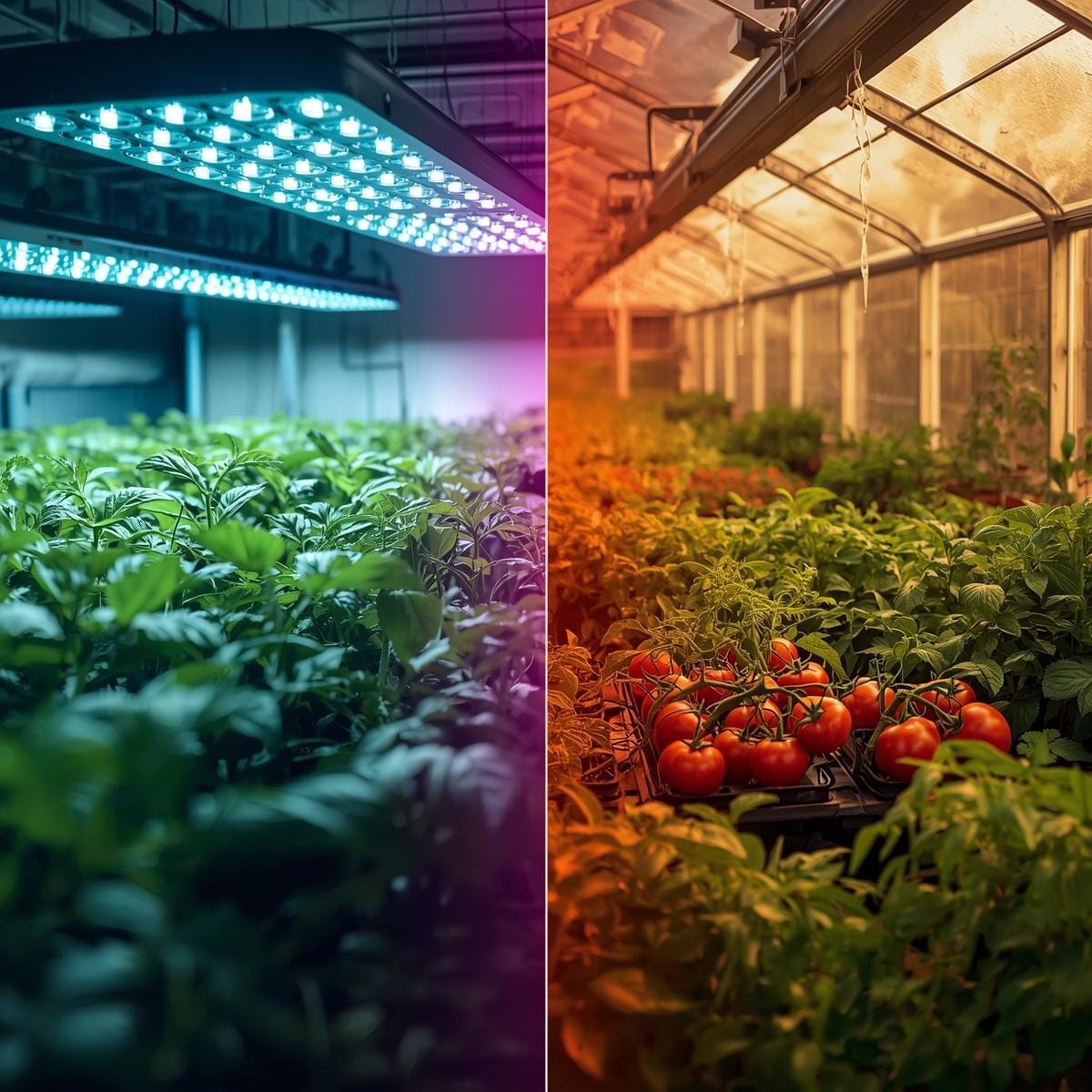
In the world of indoor growing and controlled agriculture, light is life. Whether you’re cultivating gourmet mushrooms, herbs, or greenhouse tomatoes, the type of light you choose directly influences your plants’ growth rate, color, flavor, and yield. Plants depend on light for photosynthesis, the process that converts light energy into food. However, different plants have unique light requirements. Mushrooms, for instance, don’t perform photosynthesis but still rely on specific light cues to form healthy fruiting bodies. That’s why choosing niche grow lights is so crucial — not every bulb suits every plant.
When you understand how light intensity, color spectrum, and exposure duration work together, you can mimic nature indoors and often outperform it.
How Different Plants Respond to Light
Every species reacts differently to artificial light Mushrooms:They need soft, diffused light just enough
to trigger fruiting but not so strong that it dries out their delicate mycelium.
Leafy Greens: Lettuce, kale, and spinach prefer blue light, which encourages compact, lush growth.
Flowering Plants: Tomatoes, peppers, and herbs love red and far-red light which enhances bloom and fruiting stages.
So when setting up your system, whether it’s a mushroom growing setup or a greenhouse full of tropical plants, matching the light spectrum to the plant type is key.
Types of Niche Grow Lights You Should Know About
Choosing the right grow light isn’t just about brightness, it’s about efficiency, spectrum, and temperature. Here are the main types:
- LED Grow Lights Modern, energy-efficient, customizable. Perfect for both mushrooms and greenhouses.
- Fluorescent Lights (T5/T8) Great for beginners; low heat output and affordable.
- High-Intensity Discharge (HID) Best for large greenhouses or commercial growers.
- Full-Spectrum Lights Mimic natural sunlight and support all stages of plant growth.
If you’re setting up an indoor mushroom light system, LEDs are often ideal; they produce less heat and can be fine-tuned to mimic forest floor lighting.
Understanding the Light Spectrum for Indoor Growth
Plants absorb different wavelengths of light for various functions. Here’s a quick breakdown:
Light Color Effect on Plants
Blue Light (400–500 nm) Promotes leafy growth and compact structure
Red Light (600–700 nm) Stimulates flowering and fruiting
White Light Supports balanced overall development
Far-Red (700–800 nm) Encourages stretching and blooming
For mushrooms, a mild mix of white and blue is perfect. For greenhouses, consider full-spectrum LEDs that automatically adjust intensity based on the time of day.
Learn more: Full Spectrum vs Red & Blue Grow Lights: Which Is Best for Hydroponic Growth in 2025?
Setting Up the Perfect Mushroom Growing Setup
A successful mushroom growing setup starts with the right combination of humidity, air circulation, and light. Here’s a simple plan:
- Light Duration: Mushrooms need about 12 hours of indirect light daily.
- Light Type: Choose cool white LEDs with 5000–6500K color temperature.
- Placement: Keep lights at least 12–18 inches above the fruiting area.
- Humidity: Maintain 80–95% relative humidity lights should not dry out the air.
A mushroom grow light kit with adjustable brightness and waterproof casing is best for beginners. It makes it easy to maintain consistent light even in damp environments.
Indoor Mushroom Light Placement Tips
When installing your indoor mushroom light:
- Avoid direct exposure to intense light — mushrooms are light-sensitive.
- Use reflective surfaces like Mylar to spread light evenly.
- Consider timers to simulate natural day/night cycles.
- Never place lights near misting fans or water sources to prevent electrical issues.
Greenhouse Lighting Ideas for Year-Round Growth
Greenhouses benefit from supplemental lighting during winter or cloudy days. Here are some effective greenhouse lighting ideas:
- Overhead LED panels Ideal for large crops.
- Interlighting systems Lights placed between plant rows for better coverage.
- Hanging light bars Perfect for seedlings and small herbs.
Learn more: 10 Best LED Grow Lights for Different Spaces (2025 Buyer’s Guide for Home Growers)
Smart greenhouse systems now use light sensors to automatically adjust intensity saving energy while maintaining growth consistency.
How to Calculate the Right Amount of Light for Greenhouses?
To ensure optimal lighting, measure **lumens per square foot (or lux). Most plants need 2,000–5,000 lumens/sq.ft, while fruiting crops may need up to 7,000 lumens/sq.ft
Crop Type Recommended PPFD (μmol/m²/s)
Leafy Greens 200–400
Fruiting Crops 400–700
Mushrooms 100–200
Using a PAR meter helps measure usable light for photosynthesis, a valuable tool for greenhouse growers.
LED Grow Lights: Why They Dominate the Market
LEDs are now the gold standard in niche grow lights due to their:
- Energy efficiency (50–70% less power usage)
- Adjustable light spectrum
- Longer lifespan (up to 50,000 hours)
- Cool operation temperature
For both mushrooms and greenhouses, LED lights minimize energy bills and heat buildup, making them a smart investment for long-term use.
Comparing Popular Niche Grow Light Brands
Some trusted brands include:
- Spider Farmer High-performance LEDs for professional growers.
- Viparspectra Budget-friendly full-spectrum solutions.
- Mars Hydro Widely used in both mushroom and hydroponic setups.
Before purchasing, compare wattage, PAR output, and coverage area to ensure the light fits your growing space.
How to Pair Grow Lights with Hydroponic Systems
Hydroponic setups depend heavily on the right light.Combine LEDs or full-spectrum lights with nutrient management for faster growth and higher yields. Balanced lighting ensures proper nutrient uptake and prevents leggy or pale plants.For hydroponic mushrooms, low-heat LED panels are ideal to keep moisture intact
Common Lighting Mistakes Beginners Make
- Using household bulbs instead of grow lights.
- Keeping lights too close — causing heat stress.
- Ignoring the dark cycle plants need respiration.
- Overexposing mushrooms to direct light.
Remember, more light isn’t always better, it’s about giving the right kind of light in the right amount.
Maintenance and Lifespan of Grow Lights
To extend your grow lights’ lifespan:
- Wipe lenses weekly to remove dust.
- Avoid overdriving lights at full power.
- Replace bulbs every 12–18 months (for non-LED systems).
- Check for flickering or dimming — early signs of wear.
A clean, well-maintained light produces more efficient illumination and healthier plants.
Eco-Friendly Grow Lighting Options
Sustainable growers are now adopting solar-powered greenhouse lights and low-voltage LEDs to cut emissions. These systems can run partially off-grid, combining renewable energy with smart light controllers a win-win for both plants and the planet.
FAQs About Mushroom and Greenhouse Lighting
Q1: How many hours of light do mushrooms need daily?
A: Around 12 hours of indirect light per day is enough to trigger fruiting.
Q2: Can regular LED bulbs work for plants?
A: Not effectively. Plants need specific PAR wavelengths and use dedicated grow LEDs.
Q3: Do mushrooms grow faster under light?
A: Light doesn’t speed up mushroom growth but helps them form evenly and mature correctly.
Q4: What color light is best for seedlings?
A: Blue and white light encourage compact, strong seedlings.
Q5: Are greenhouse lights expensive to run?
A: Not necessarily modern LEDs use up to 70% less power than traditional bulbs.
Q6: Can I mix light types in my setup?
A: Yes, many growers mix white, red, and blue LEDs to simulate natural sunlight.
Final Thoughts: Light Smarter, Grow Better
Choosing the best niche grow lights isn’t just about technology — it’s about understanding your plants’ natural needs and replicating them indoors. From a small mushroom growing setup to a full greenhouse lighting system, light is your invisible partner in growth.
When used wisely, grow lights turn any space basement, shed, or greenhouse —into a vibrant oasis of life.
To explore more lighting and hydroponic growing guides, visit GrowWithHydroponics, your trusted resource for smarter, sustainable growing.

