Modern agriculture faces serious challenges. For decades, we have overused our soils, and now we are seeing the consequences. Deforestation, soil loss, fertilizer runoff, and climate change have cost us almost a third of our farmland in the last 40 years. Traditional farming alone cannot keep up. To feed future generations, we need better, more efficient solutions.
That’s where vertical farming comes in.
What Is Vertical Farming?
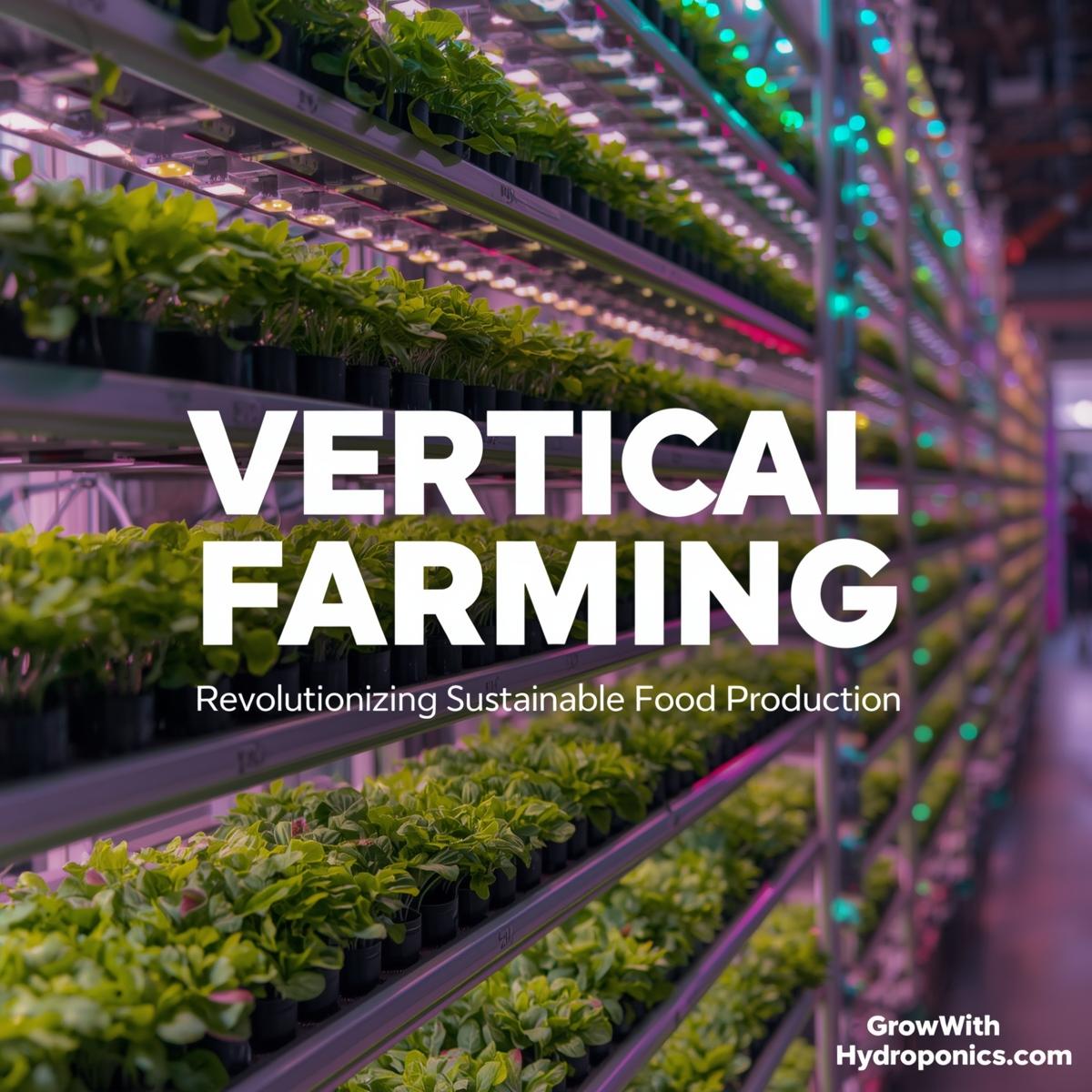
Vertical farming is a way to grow crops in stacked layers instead of spreading them out in fields. This approach can use up to 98% less water and 99% less land, while allowing for year-round harvests in controlled spaces. It helps address climate challenges, supply chain issues, and the problem of food traveling long distances to reach us.
Some of the latest systems mix greenhouses with vertical setups, using both natural sunlight and climate controls. This combination lets farmers grow over 200 types of pesticide-free produce and get them to stores within two days.
If you’re curious how this works in practice, read more about how we integrate vertical farming with hydroponics tools on our Hydroponic System Types.
What Exactly Is Vertical Farming?
Imagine stacking your garden up instead of spreading it out. Vertical farms are often found in skyscrapers, warehouses, greenhouses, or old buildings that have been updated. The key is that crops grow in several layers, not just on the ground.
But vertical farming isn’t just about stacking plants. It depends on closely managing things like temperature, humidity, light, water, and nutrients. If any of these are off, even in one layer, it can affect the whole system.
In short, it’s farming in three dimensions, using all the control that today’s technology makes possible.
A Quick History: Vertical Farming Isn’t New
Though it feels futuristic, the idea of vertical agriculture goes way back:
- The Babylonian Hanging Gardens (2,500 years ago) are one of the earliest recorded vertical garden examples.
- The Aztecs used chinampas, which were floating gardens on lakes. These gardens worked in a way that is similar to vertical water-based growing.
- In the 1600s and later, French and Dutch growers built heated walls to grow exotic fruits along stone walls. This was an early form of creating special growing conditions.
Today, we build entire farms inside glass buildings, using automation, sensors, and hydroponics to make it all work.
How Vertical Farming Works (Step-by-Step)
Vertical farming can look very different, from small do-it-yourself towers to large commercial greenhouses. Here’s a simple overview of how many hybrid vertical and hydroponic systems work:
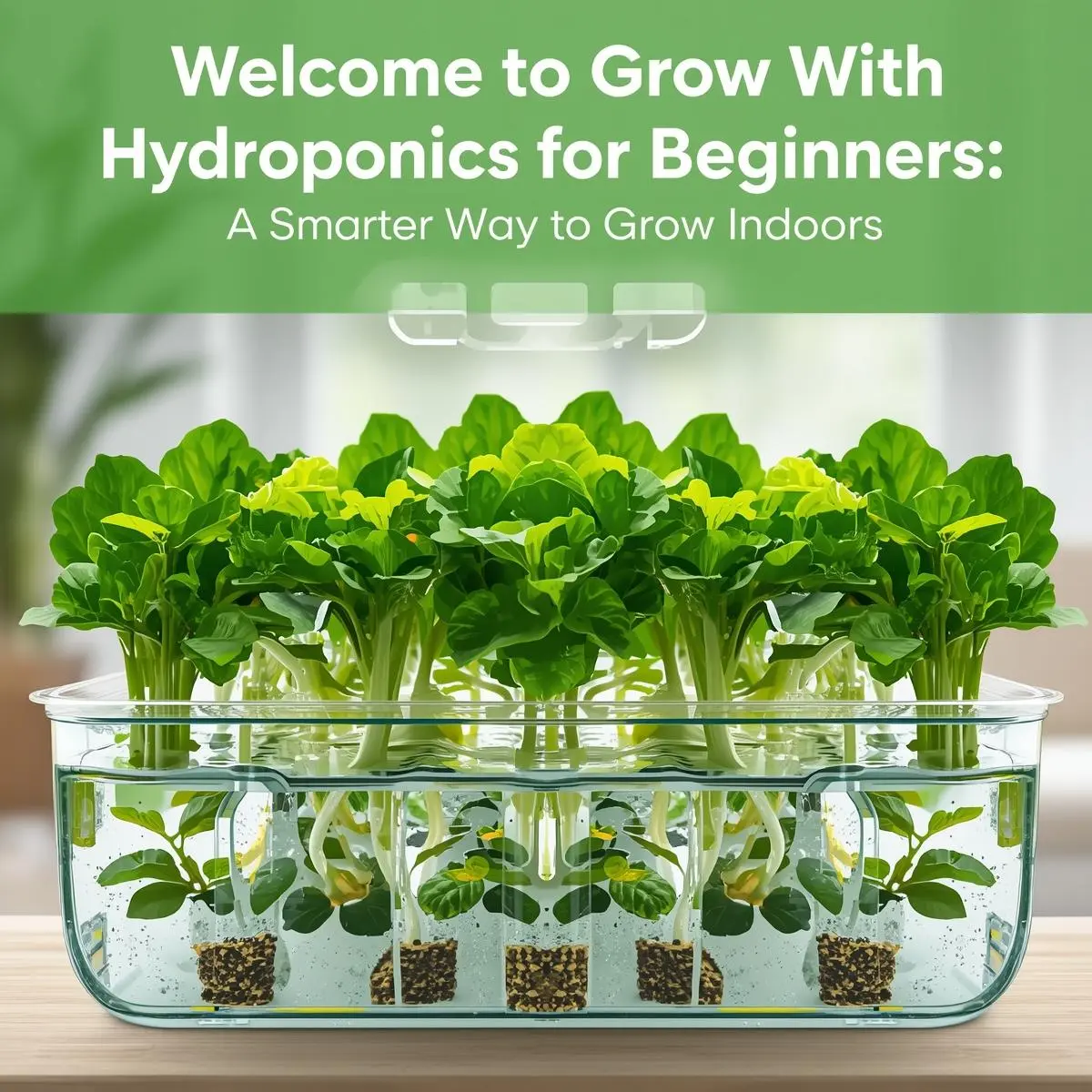
- Seedlings Begin in Media
Young plants start in inert media like rock-wool, coco coir, or peat moss, soaked in nutrient-enriched water. - Transfer to Vertical Towers
Once roots are strong, seedlings move into tower systems. These towers often allow dozens to hundreds of plants in a compact footprint. - Roots Access Nutrients Directly
The roots either immerse or are intermittently dosed with nutrient-rich water. The nutrient flow is continuously monitored and adjusted. - Controlled Micro-climate
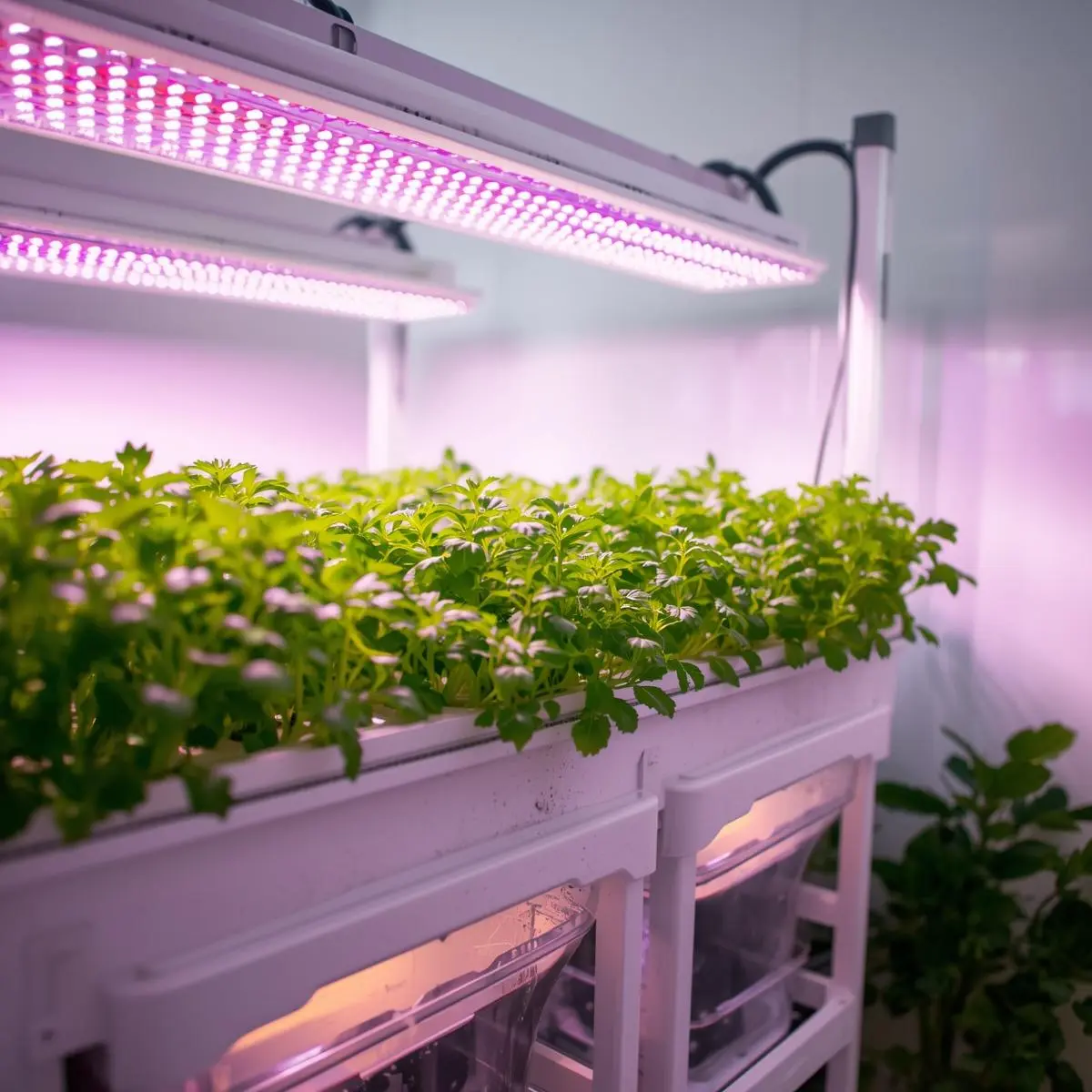
Every part of the environment, like light, humidity, and temperature, is carefully controlled. Some systems use natural sunlight along with LED lights to save energy and keep conditions just right. - Harvest & Re-circulation
Water is recycled. Nutrients are re-balanced. The cycle restarts.
If you want to explore tools for making this system more efficient (like sensors, nutrient controllers, lighting, etc.), our blog has a great overview of essential hydroponic equipment here: Best Grow Lights & Accessories for Indoor Hydroponics.
Types of Vertical Farming Systems: Pros and Cons
These are some common system types used in vertical farming, each suited for different scenarios:
System Type | How It Works | Best For | Energy Use | Scalability |
Hydroponic Towers / Hybrid Greenhouses | Water-based vertical towers inside greenhouse | Leafy greens, herbs, small fruit | Low (uses sunlight) | Highly scalable |
Aeroponics | Roots hang in air, are misted with nutrients | High-value, research crops | High | Technically tricky |
Warehouse / LED farms | Fully indoor, stacked with LED lighting | Herbs, greens | Very high | Scalable but energy cost is barrier |
Container Farms | Shipping containers retrofitted as grow rooms | Herbs, leafy greens | High (100% artificial light) | Modular, but expensive to scale |
Can Vertical Farms Really Feed the World?
Vertical farming isn’t a silver bullet. Some limitations include:
- Difficulty growing root or bulky crops
- High initial capital and energy costs
- Technical complexity and expertise
Still, vertical farming can work alongside traditional agriculture, especially in cities. It helps urban areas grow healthy food nearby, protects against climate problems, and eases the strain on rural land.
The big goal is to combine different methods: traditional farms on land, vertical farms in cities, and better ways to save water and soil everywhere.
GrowWithHydroponics Tools & Resources You Can Use
To empower you, we built free tools and in-depth:
- GrowSpace Planner & Simulator: Design your layout and maximize room for crops
- MultiGrow Planner: Manage crop schedules across multiple tiers
- GrowPro Nutrient Calculator: Calculate precise nutrient mixes for your crops
Also check out: