Hydroponics is incredibly rewarding—until it isn’t. One day you’re on top of the world, watching your greens flourish; the next, leaves start curling for no apparent reason, growth slows to a crawl, and that perfectly balanced system you’ve been tweaking for weeks feels… off. It happens to everyone. I’ve been there, staring at a yellowing leaf at 2 AM, wondering which of the twelve possible deficiencies I’m dealing with now.
At Grow With Hydroponics, we’ve built and broken enough systems to know the pattern. Nutrient deficiencies, environmental stress, early-stage diseases—they don’t send a memo. They creep in. And if you don’t catch them fast, they’ll derail your grow before you can say “nutrient lockout.”
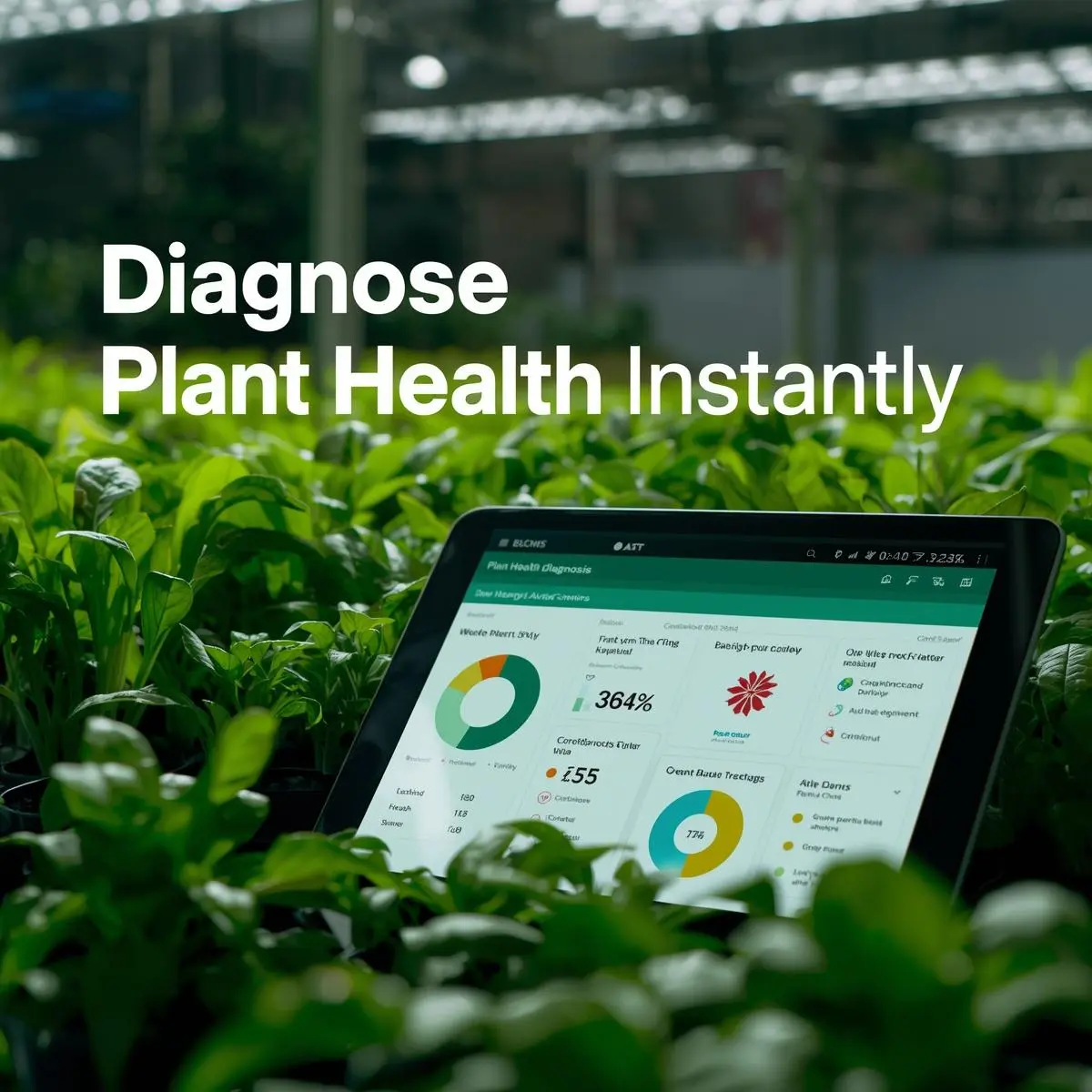
That’s why we built the Plant Health Diagnosis Tool. Think of it less as an app and more as that seasoned grower friend who’s seen it all—the one you text a picture to, who replies immediately with, “Yeah, that’s classic calcium deficiency. Here’s what you do.”
What Is the Plant Health Diagnosis Tool?
Here’s the thing: most online guides are static. They’re glorified lists. You match a symptom, you get a guess. Our tool is different. It’s an interactive expert-system—a digital assistant that cross-references your plant’s symptoms against a curated, constantly refined database of nutrient, environmental, and disease patterns.
It doesn’t just guess. It evaluates.
Key features that actually matter:
Identify true nutrient issues—deficiencies, toxicities, the works—not just generic “feed more.”
Detect environmental stressors (think VPD swings, light burn, root zone suffocation) that mimic nutrient problems.
Flag potential diseases early, before they become an epidemic in your closed-loop system.
Provide confidence scores for each diagnosis, so you know what to tackle first.
The real genius? It adapts. It knows a tomato isn’t a basil plant. It factors in your crop’s sensitivity and growth stage, spitting out recommendations that are actually personalized. No more one-size-fits-all advice that works on lettuce but fries your strawberries.
How Does the Plant Health Diagnosis Tool Actually Work?
It’s simpler than you’d think. We modeled it on how an expert’s brain works—connecting dots, weighing evidence, and ruling out the improbable.
You Tell It What You See. You input the symptoms. Yellowing between veins? Check. Stunted growth? Check. You even rate the severity. This is the “observation” phase every good grower does instinctively.
It Runs the Analysis. Behind the scenes, the tool evaluates each symptom against hundreds of expert-developed rules. It’s not just counting matches; it’s weighing them. A “severe” symptom carries more diagnostic clout than a “mild” one.
It Scores the Confidence. This is where the magic happens. Each potential issue gets a confidence score. The algorithm considers symptom overlap, severity, and—critically—your specific crop’s sensitivity. High-confidence results float to the top. Weak, noisy matches are filtered out. You get a prioritized list, not an overwhelming menu of maybes.
You Get Actionable Insights. This isn’t a dead-end diagnosis. Every result comes with clear next steps: specific nutrient adjustments, environmental tweaks, or inspection tips. It turns a symptom into a solution.
Why Bother with a Plant Health Diagnosis Tool?
Look, you can wing it. You can scroll through forums for hours, trying to match blurry leaf photos. I’ve done it. It’s exhausting. Here’s why this approach is better:
Early Detection is Everything. In hydroponics, a small pH drift or a minor deficiency doesn’t stay small for long. This Plant Health Diagnosis Tool helps you catch problems before they cause nutrient lockout or stunted growth. It’s preventive care for your plants.
It’s Like Having an Expert On Call. Even pros get stumped. Symptoms overlap. Our Plant Health Diagnosis Tool cuts through the noise by combining years of agronomic research with real-world grow data. It’s the collective wisdom of countless harvests, distilled into an algorithm.
Stop Guessing, Start Doing. This saves you time—a ridiculous amount of it. No more manual hypothesis testing. It evaluates hundreds of scenarios in seconds, so you can skip straight to the fix.
It’s Personal. Generic advice is cheap and often wrong. This system adapts to your crop, whether you’re growing sensitive heirloom lettuce or robust kale, giving you tailored guidance that actually works.
A Practical Walkthrough: Using the Plant Health Diagnosis Tool Like a Pro
Want to get the most out of it? Here’s how I use it:
Observe Like a Detective. Don’t just glance. Get close. Note the pattern of yellowing. Are new leaves or old leaves affected? Check the stems. Peer at the roots if you can. The quality of your input dictates the quality of your diagnosis.
Input Symptoms Honestly. Use the checklist. When you see a symptom, don’t just check the box—rate it. Is that leaf curl mild or severe? This granularity feeds the confidence scoring engine.
Review with Context. Look at the confidence scores. An 85% confidence diagnosis for a nutrient deficiency is your first priority. A 45% chance of a disease might just mean “keep an eye on it.” The tool prioritizes; you execute.
Take Corrective Action. This is the whole point. Follow the actionable suggestions: adjust your reservoir, tweak the climate, and inspect for pests. The tool gives you the “what”; your skill provides the “how.”
Common Problems It’s Scarily Good At Spotting
Nutrient Deficiencies: Nitrogen (older leaves yellowing uniformly), Calcium (tip burn on new growth), Iron (yellowing between veins on young leaves).
Environmental Stress: Heat stress (upward leaf curl), low humidity (crispy edges), root zone oxygen deficiency (wilting with wet media).
Diseases: Powdery mildew (the tell-tale white dust), early root rot (slimy roots, stunted growth).
Shop Smart: Tools That Make the Diagnosis Stick
A diagnosis is only as good as your ability to act on it. This is where Shop Smart comes in. Pair our digital tool with these physical instruments to close the loop:
A reliable EC/PPM meter to verify your nutrient solution strength.
A accurate pH meter to rule out lockout.
A thermo-hygrometer to monitor your VPD.
These tools let you cross-verify the digital diagnosis with hard data, turning a recommendation into a precise correction.
FAQs (The Real Ones)
Will this work for my crop? Yes. The database covers leafy greens, herbs, and fruiting plants. The sensitivity adjustments are built-in.
Does it replace an agronomist? For 95% of home and boutique grower issues? Honestly, yes. For large-scale commercial ops with unique pathogens, it’s an incredible first line of defense that saves consultant fees.
How often should I run a check? Whenever something looks odd. Make it part of your weekly system audit—it takes 90 seconds.
From Reaction to Optimization
Hydroponics, at its best, isn’t about fighting fires. It’s about creating stability. Your plants are talking to you through every curl, every color shift. The Plant Health Diagnosis Tool is there to translate.
It turns anxiety into action. It replaces scrolling with solving. In a hobby—and a business—built on precision, that’s not just a convenience. It’s the edge that turns good growers into great ones.
Stop troubleshooting blindly. Start diagnosing with confidence. Your plants will thank you.