You’re diving into hydroponics, which means you already know the big win: growing massive amounts of food while ditching the soil, space, and excess water. It’s an intoxicating concept. But here’s the reality, colleague—while the setup itself is simple, maximizing your yield is not.
Frankly, to move from a decent harvest to truly crushing your goals, you’ve got to nail the planning. This means thinking through everything: who’s sharing the nutrient tank, how you’re managing the chemistry, and how you’re ruthlessly maximizing every square inch of your vertical space.
What is Hydroponic Gardening?
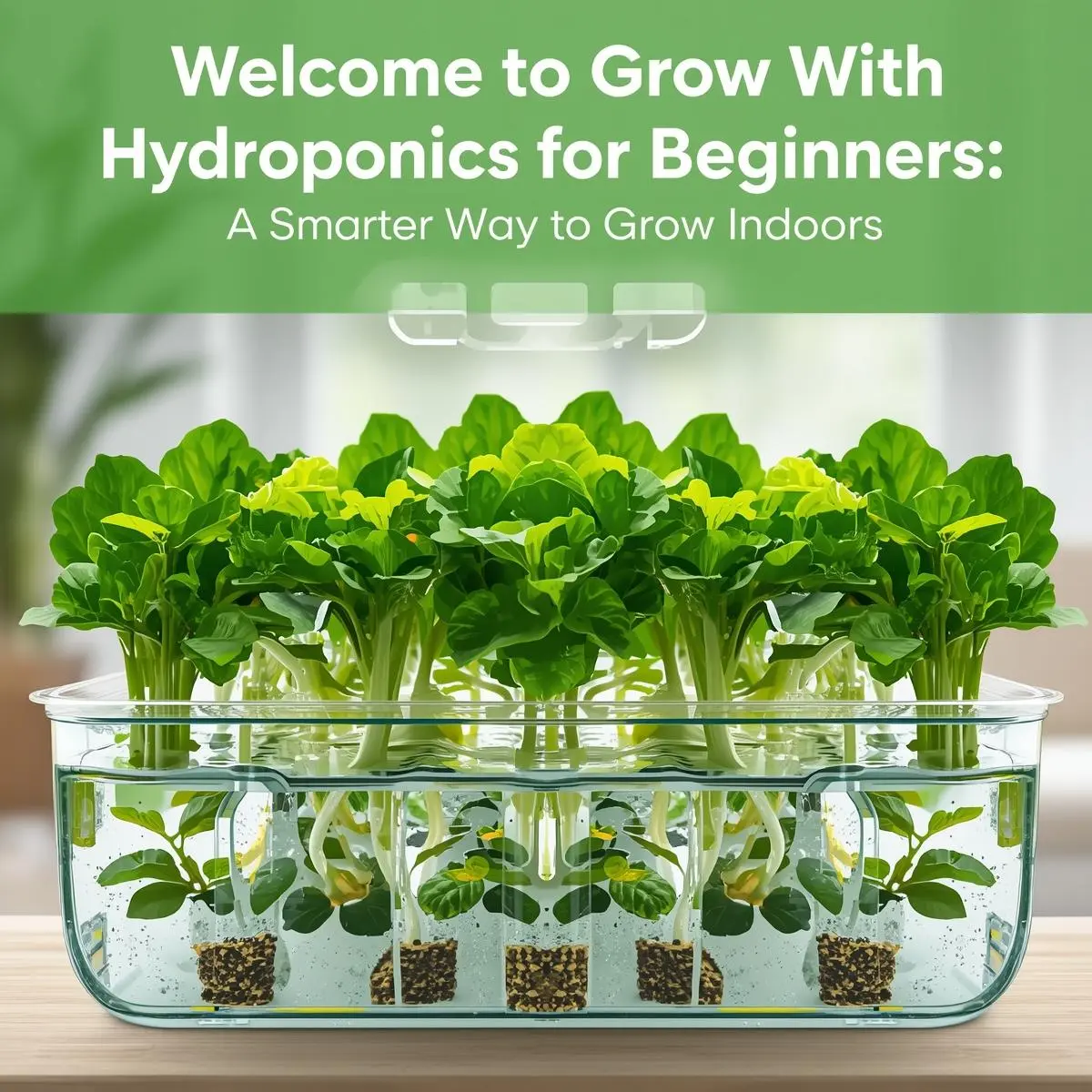
At its core, it’s just growing without dirt. We bypass the soil entirely and feed the plants exactly what they need, delivered via a nutrient-rich solution. The payoff? Faster growth, incredible space efficiency, and the ability to set up production in places that traditional farming simply couldn’t touch—like an unused warehouse corner or a basement.
Systems vary widely, from passive Kratky jars to complex commercial setups like NFT (Nutrient Film Technique) or DWC (Deep Water Culture). But regardless of your chosen hardware, success is a planning issue, not a technical one.
Why is Planning Important for Hydroponics?
Look, planning isn’t optional; it’s the non-negotiable foundation. Without a solid blueprint, you’re just inviting inefficiency, plant stress, and disappointing yields. A proper plan does three key things for us:
Space Maxing: It forces us to optimize the layout—that’s how you fit a viable number of happy, healthy plants into a constrained footprint.
Compatibility Control: Plants are picky. They have specific requirements for pH, EC (electrical conductivity), and light. Planning ensures everyone in the tank is compatible and thriving, not just surviving.
Chemistry Tracking: It gives you a clear protocol for monitoring and adjusting nutrient levels in real-time. This ensures your crops get the exact fuel they need, exactly when they need it.
How to Optimize for Maximum Yield: The Six Key Steps
Let’s walk through the tactical steps required to run your hydroponic operation like the high-performance system it is.
1. Choose the Right Plants for the Job
In a multi-crop hydroponic environment, choosing the right “employees” is crucial. Not everything loves a soil-free existence, and trying to force incompatible plants together is a fast track to nutrient management headaches.
The Professional’s Quick List:
Leafy Greens: The easiest entry point. Lettuce, spinach, and kale are perfect—they grow fast and don’t require heavy nutrient loads, keeping your solution simple.
Herbs: Basil, mint, and oregano are also solid picks. They’re low maintenance and demand minimal physical space.
Fruiting Plants: Tomatoes, peppers, and cucumbers are the high-reward crops. But be warned: they demand intensive management, higher light, and significantly heavier feeding schedules. Plan your commitment level here.
2. Space Planning: Go Vertical or Go Home
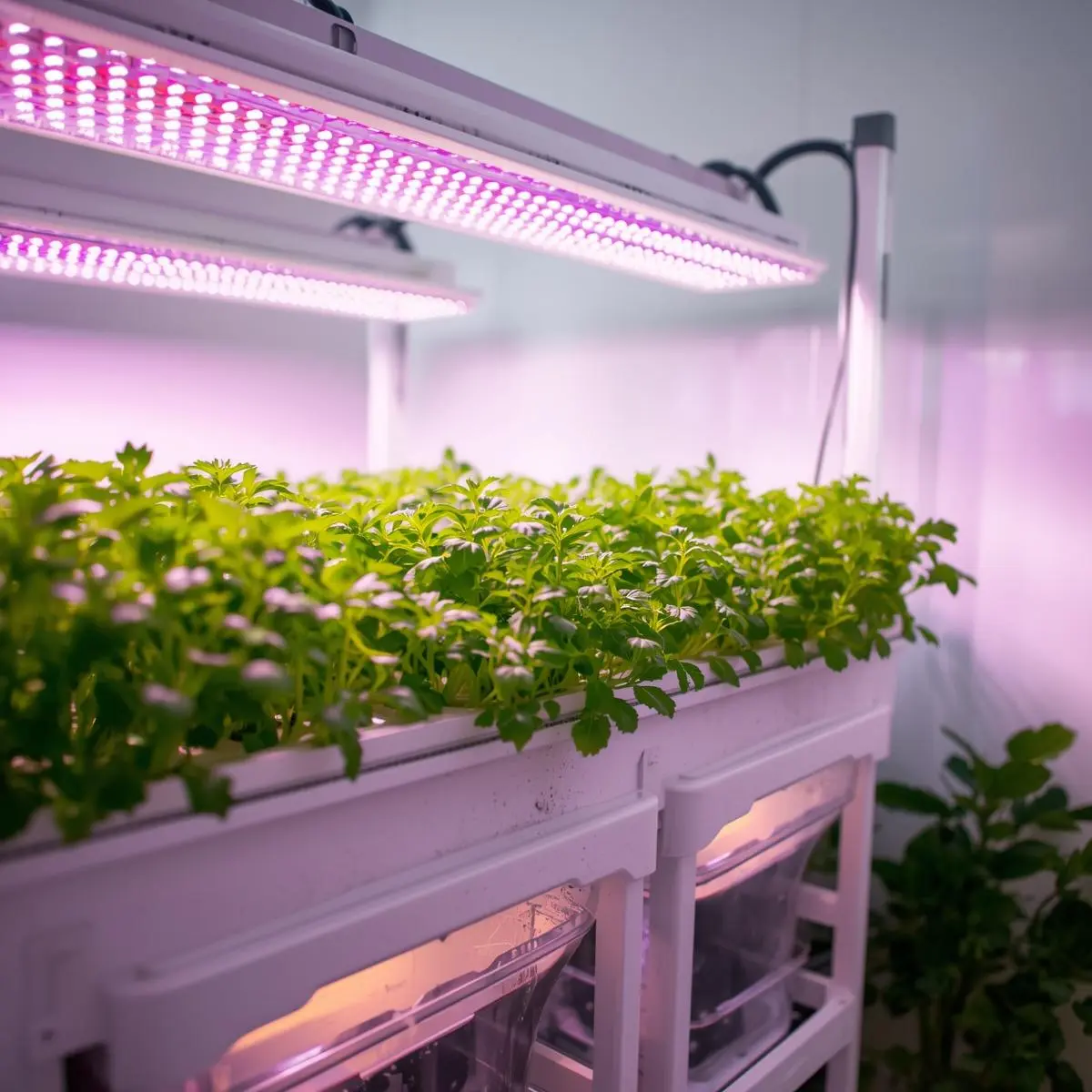
Space is capital in hydroponics. Your focus should be on ruthless efficiency and maximizing the vertical axis. If you’re not growing upward, you’re leaving money on the table.
Vertical Strategy: Use racks or towers. Since you don’t need soil, the biggest yield gains come from utilizing multiple levels. Why use one floor when you can use four?
Height Arrangement: Put taller, bushier plants—like tomatoes—at the back or center. This prevents them from shading out shorter, more sensitive crops that need full light exposure.
Airflow is King: Don’t overcrowd. I know the temptation is to squeeze in just one more NFT channel, but poor airflow is the quickest way to invite mold and fungal issues. Give your crops breathing room.
3. Select Compatible Crops: Managing the Roommates
This is where many operations get bogged down. Plants must have similar needs, or you’ll constantly be trying to please two incompatible masters in the same nutrient tank.
Compatibility Factors We Track:
pH and EC Range: Every plant has a preferred range. For instance, lettuce is happy at pH 5.5-6.5, but tomatoes might demand a slightly higher pH of 6.0-6.8. Trying to satisfy both simultaneously is a nightmare. Group your plants by their shared optimal chemistry.
Light Requirements: Match light hogs with light hogs. Leafy greens are often fine with lower light intensity, but fruiting plants require massive amounts of energy to reach peak production.
Growth Cycles: Be aware of maturation times. Lettuce is ready in 30 days, while tomatoes can take 80 or more. If you mix them, you’ll need a staggered schedule, or the feeding optimized for a mature tomato will stress your young lettuce.
4. Master the Chemistry: Optimize Nutrients and pH Levels
The water isn’t just a delivery vehicle; it’s the medium. This means nutrient management is arguably the most critical variable. You are the perfect chef, delivering the precise macro and micronutrients needed for maximum output.
The Nutrient Management Protocol:
Balanced Solution: You must use a solution containing all essentials: nitrogen, phosphorus, potassium, calcium, and magnesium. Keep in mind that the ratio must pivot as the plant switches from vegetative to flowering/fruiting phases.
Religiously Test pH: Keep the pH constantly monitored. Most hydroponic plants aim for the pH 5.5-6.5 range. Outside of that window, nutrients literally become chemically “locked out,” and your plants can’t absorb them.
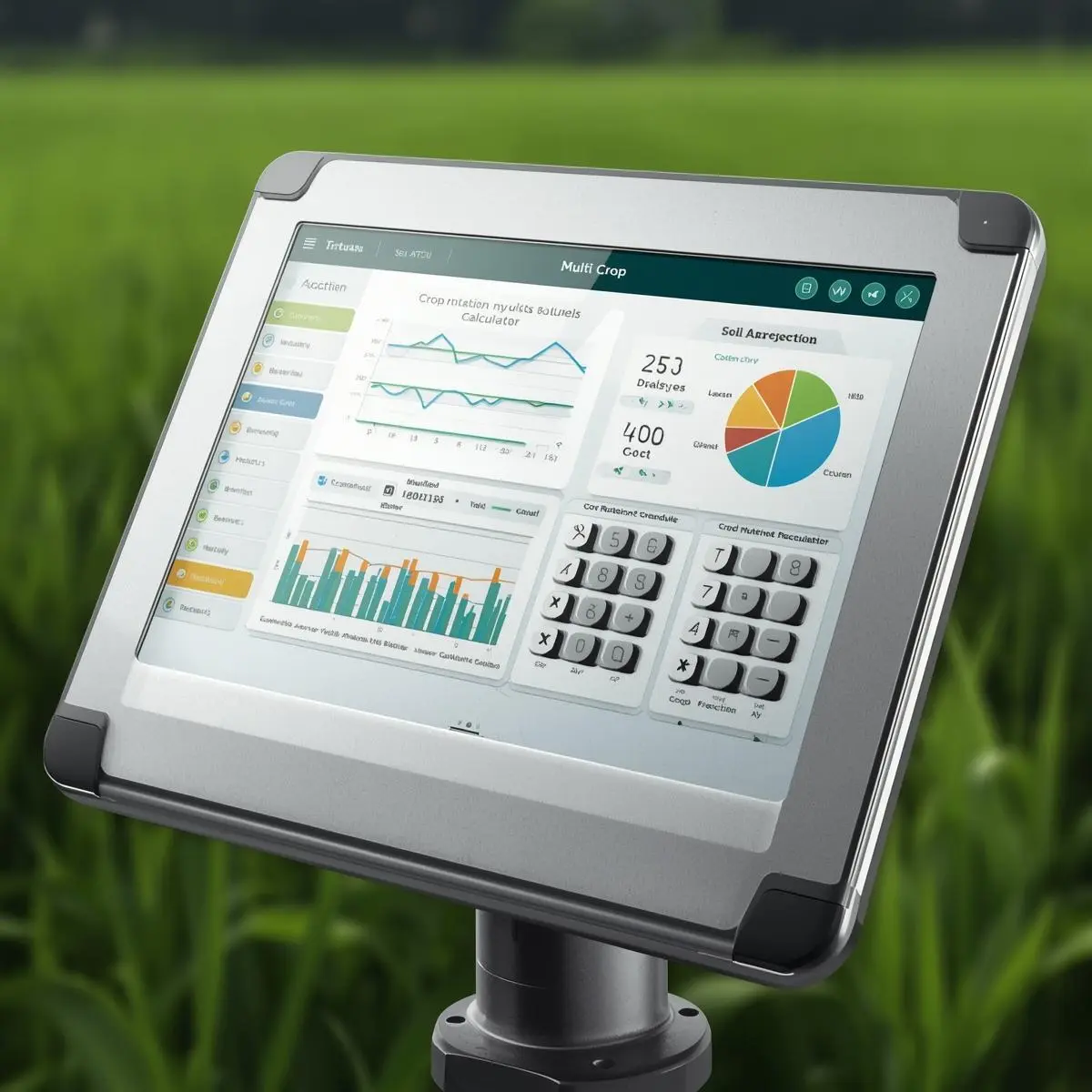
Adjust EC: Electrical Conductivity (EC) measures nutrient concentration. Too high, and you risk root burn. Too low, and you’re starving your crops. Check it often, and adjust the balance with water or concentrated nutrients. We recommend our free tool GrowPro Hydroponic Nutrient Calculator and Hydroponic Nutrient Deficiency Calculator.
5. Automation Is Not a Luxury—It’s Consistency
Here’s the good part: the ultimate benefit of hydroponics is control, and automation is how you guarantee that control is rock-solid, 24/7. This is your best tool for yield maximization.
Essential Automation Tools:
Automated pH and EC Meters: These devices continuously monitor and correct the water chemistry. They’re an investment that prevents the disastrous pH swings that can kill growth overnight.
LED Grow Lights with Timers: Set your light cycles once and ensure perfect consistency. For a high-performance system, a rigid, reliable lighting schedule is non-negotiable.
Water Pumps and Timers: Automate your irrigation cycles to prevent overwatering and ensure the root zones remain oxygenated—a critical factor many growers overlook.
6. Control the Environment: Airflow and Temperature
If your plants are struggling to breathe or manage heat, the best nutrient plan in the world won’t save them. Maintaining a stable atmosphere is critical for preventing disease and driving efficient growth.
Temperature Stability: Most crops thrive between 65-75 F (18-24 C). While fruiting plants might want a slight nudge toward the top of that range, maintaining stability is the key to general health.
Air Circulation: Use oscillating fans to ensure robust airflow. This prevents humidity pockets that breed mold and fungus, and it helps the plants transpire (breathe) efficiently.
Hydroponics is an exceptionally rewarding, high-efficiency method for food production. By committing to professional-grade planning—selecting compatible plants, optimizing your vertical space, mastering your nutrient chemistry, and leaning heavily on automation—you’re not just growing food; you’re building a high-yield system. Shop Smart for expertly tested tools and make smart choices for your hydroponic setup.
Get these steps right, explore Hydroponic Tools Suite at Grow with Hydroponics and you’ll find your harvests dramatically outperforming any traditional setup.