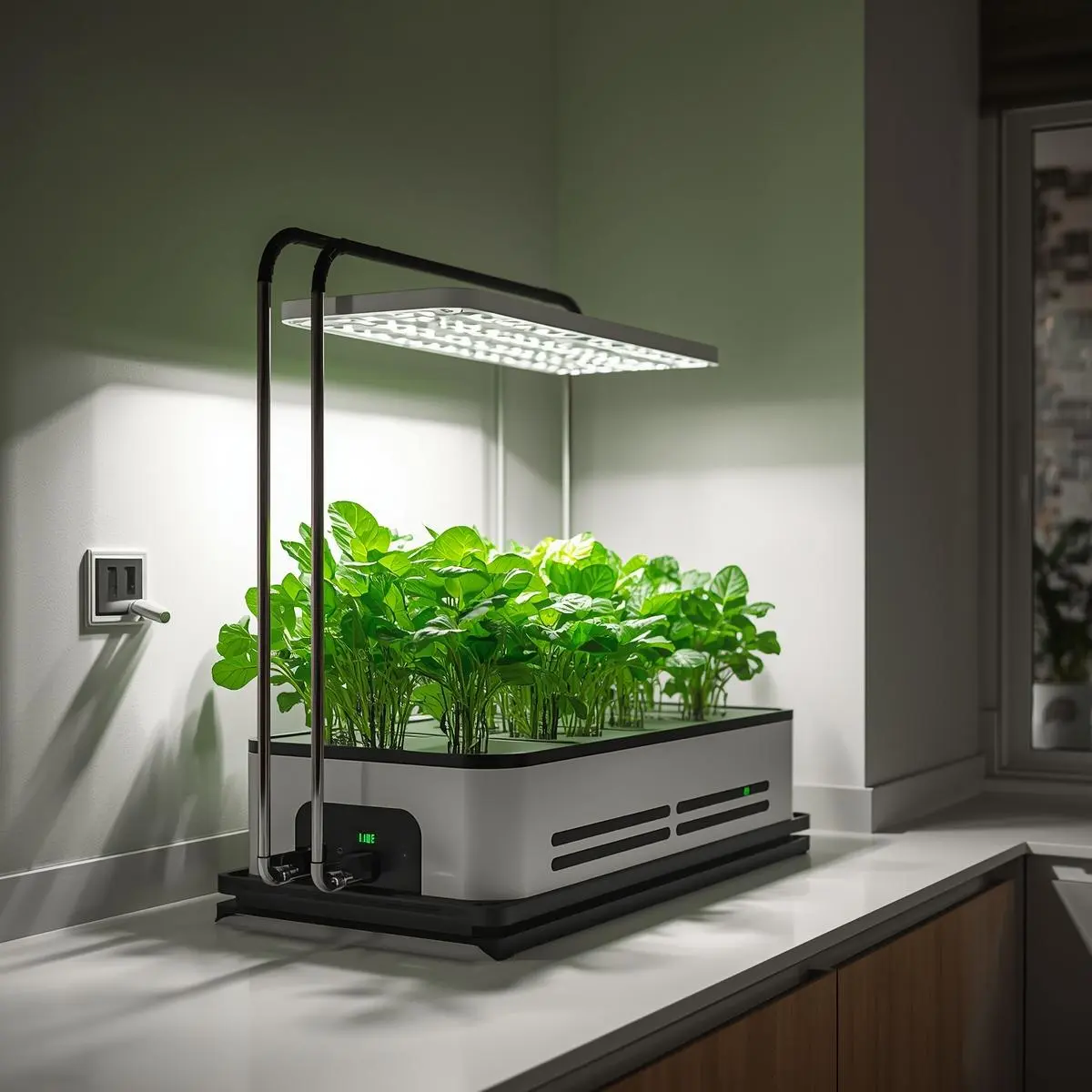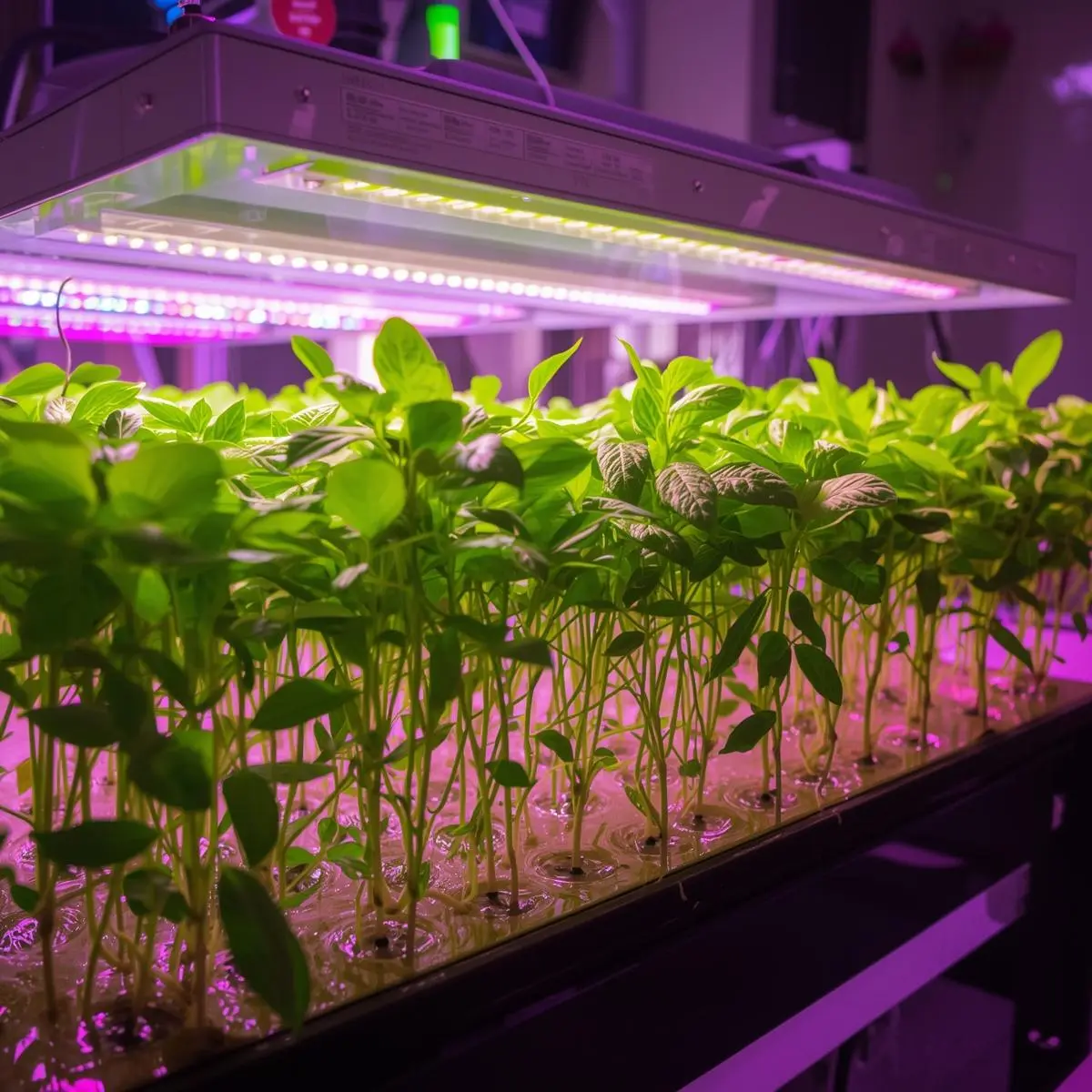
Let’s get one thing straight: the future of fresh produce isn’t necessarily in a field. Increasingly, it’s in a controlled room, under LEDs, with roots dangling in a nutrient bath. I’ve toured enough of these operations—from a repurposed shipping container in Brooklyn to a vast, humming warehouse in the Netherlands—to know that hydroponic grow systems have moved from fringe science to a legitimate agricultural tool. It’s not magic. It’s just smart engineering applied to biology.
Forget the hype about it being “revolutionary.” The real story is simpler: it’s a profoundly efficient method. One that lets you grow basil in a basement in December or lettuce in the middle of a drought. But—and there’s always a but—it’s not one-size-fits-all. Pick the wrong system and you’ll have a fast, expensive lesson in root rot. Let’s cut through the marketing and talk about what actually works on the ground. If you’re serious about diving deeper into hydroponic grow systems, the team at Grow With Hydroponics has been there. Explore our suite of hydroponic tools to get started.
The Core Idea: Skip the Middleman
Traditional farming is a messy negotiation. You feed the soil, cross your fingers, and hope the plant gets what it needs. Hydroponic Grow Systems cuts out the middleman. You deliver a perfectly balanced nutrient cocktail directly to the roots, suspended in water. The plant, freed from the work of searching for food, does what it does best: it grows. Fast.
The result is healthier plants and higher yields in a fraction of the space. It’s less like farming and more like running a high-precision brewery—but for vegetables.
Your Hydroponic Grow Systems Options, Unvarnished
There are six main types. Think of them as tools in a toolbox. You wouldn’t use a sledgehammer to hang a picture frame, and you wouldn’t use a commercial NFT system to grow a single basil plant in your kitchen.
The Wick System: The Passive Option
Nutrients travel up a wick to the roots. That’s it. No pumps, no electricity, no moving parts. It’s cheap and simple. It’s also utterly hopeless for anything thirstier than a small herb. I’ve seen beginners try to grow tomatoes in these. It doesn’t end well.
Best for: Absolute beginners, classroom projects, growing thyme or oregano on a kitchen counter.
Deep Water Culture (DWC): The Workhorse
Plants dangle in a net pot, their roots submerged in a bubbling, oxygen-rich nutrient bath. This is where you see those ridiculous, sprawling white root masses that look like something from a sci-fi film. It’s shockingly effective for fast growth. But—and this is a big but—there’s a single point of failure: the air pump. If that dies, your plants suffocate in hours. I keep a backup pump for every DWC bin I run. Non-negotiable.
Best for: Leafy greens, hobbyists ready for a bit more commitment, and anyone who wants to see truly impressive root development.
Nutrient Film Technique (NFT): The Futuristic Option
A constant, shallow stream of nutrient solution flows down a sloped channel, just tickling the roots. It’s supremely water-efficient and looks fantastic. It’s also unforgiving. Pump failure or a clogged channel? Roots dry out. Crop loss in under an hour. I’ve seen a commercial lettuce grower lose an entire harvest because a piece of debris blocked the line overnight.
Best for: Commercial growers of lightweight, fast crops (think lettuce, spinach, basil) with reliable power and a strict maintenance routine.
Ebb and Flow (Flood & Drain): The Versatile Classic
On a timer, the tray floods with nutrients, then drains completely. This gives roots a hit of food and oxygen in cycles. It’s flexible and can handle larger plants. But all those moving parts—pumps, timers, drains—mean more things that can, and eventually will, need fixing. Frankly, this is where most beginners learn to become competent maintenance techs.
Best for: Hobbyists or pros who want variety—from peppers to strawberries—and don’t mind getting their hands dirty.
Drip Systems: The Commercial Standard
Timed drip lines deliver nutrients to each plant’s base. It’s the classic of commercial greenhouses for a reason: highly controllable and scalable. The catch? You’re constantly monitoring for clogged emitters and managing runoff. I’ve spent more hours than I care to count unclogging drippers with a pin.
Best for: Larger plants (tomatoes, cucumbers, peppers), scalable operations, and anyone comfortable with basic irrigation maintenance.
Aeroponics: The High-Performance Pinnacle
Roots hang in air and are misted with a nutrient fog every few minutes. Growth rates can be astonishing. Water use is minimal. It’s also a technical nightmare if you’re not obsessive. Clogged misters are a death sentence. The roots dry out before you even realize there’s a problem.
Best for: Research institutions, dedicated experts, and growers with a high tolerance for tinkering.
Hydroponic System Comparison
To help you decide, here’s how the six main systems stack up against each other. Use this as a quick reference when you’re weighing your options.
| System Type | Maintenance Level | Risk of Failure | Water Efficiency | Best For | |
|---|---|---|---|---|---|
| Wick System | Very Low | Very Low | Low | Small herbs, education, kids’ projects | |
| Deep Water Culture (DWC) | Low | Medium (pump failure) | Medium | Leafy greens, fast-growing herbs, beginners | |
| Nutrient Film Technique (NFT) | High | High (pump/channel failure) | Very High | Commercial lettuce, basil, fast crops | |
| Ebb & Flow (Flood & Drain) | Medium | Medium (timer/pump issues) | Medium | Variety of plants (peppers, strawberries) | |
| Drip Systems | Medium-High | Medium (clogged emitters) | Medium-High | Large fruiting plants (tomatoes, cucumbers) | |
| Aeroponics | Very High | Very High (mister failure) | Very High | Research, advanced hobbyists, propagation |
The Real Trade-Offs (Not Just Pros and Cons)
Everyone talks about the benefits: 90% less water, faster growth, no weeds, year-round harvests. They’re real. I’ve seen the spreadsheets. But let’s talk about the other side of the ledger with equal clarity.
Yes, you’ll save water. But your electricity bill will go up. Those lights, pumps, and climate controls aren’t free. The start-up cost is significant—this is CapEx farming.
And that “no soil” advantage? It’s also a vulnerability. In soil, a pump failure might stress your plants. In a pump-dependent hydroponic grow system, it can wipe you out in an afternoon.
You’re not just a grower; you’re a system operator.
The trade-off is trading unpredictable natural challenges for precise, manageable engineering challenges.
How to Choose Your Hydroponic System? Start with These Questions.
Forget the flashy brochures. Sit down and answer these honestly:
What am I growing? Lettuce and herbs are beginner-friendly. Tomatoes and melons demand more light, support, and root space.
How hands-on do I want to be? A wick system is “set and forget.” Aeroponics is a full-time relationship.
What’s my tolerance for risk? If a pump failing for six hours spells disaster, avoid NFT. Lean into something more forgiving, like a well-designed Ebb and Flow.
What’s my budget—really? Double your initial hardware estimate. Now add 20% for the stuff you didn’t think of: backup pumps, calibration solutions, extra nutrients.
When you’re ready to Shop Smart for gear, run your numbers through our [Internal Link Suggestion: DLI Calculator -> /blog/dli-calculator/] to match your lights to your crops before you buy.
Why Go Hydroponic?
Hydroponics isn’t the “easy” way to grow. It’s the controlled way.
It lets you produce astonishingly clean, flavorful food anywhere, anytime. And in a world where water is becoming more precious than oil, that’s not just clever—it’s critical.
Start small. Master one system—likely a simple DWC or Ebb and Flow. Get a feel for managing pH and nutrient strength.
Kill a few crops (you will; it’s part of the tuition). Then scale.
The learning curve is steep, but the view from the top—a sustainable, productive harvest you can count on—is worth the climb.
For the best results, tap into the community and resources at Grow With Hydroponics. We’ve made the mistakes so you don’t have to. And if you’re looking for a deeper dive, check out The Ultimate LED Grow Light Guide: Science-Backed Indoor Setup (2026).
Frequently Asked Questions About Hydroponic Systems
Which hydroponic system is best for beginners?
Deep Water Culture (DWC) or a simple wick system. DWC gives you fast results and is forgiving if you keep an eye on that air pump. Wick systems are nearly foolproof but limited to small herbs.
How often do I need to change the nutrient solution?
Every 1–2 weeks, depending on the system and plant size. If you see nutrient buildup or pH swings that are hard to stabilize, it’s time for a fresh batch.
Can I grow fruiting plants like tomatoes hydroponically?
Yes, but they need more space, stronger lighting, and support for the fruit. Drip systems or ebb and flow works well. Just don’t try them in a tiny NFT channel.
What happens if the power goes out?
In DWC or NFT, roots can suffocate or dry out within hours. A backup power source or battery-powered air pump is cheap insurance. In soil? Your plants would just wait it out.
Do I need to monitor pH and nutrient levels constantly?
Yes. It’s not optional. A few dollars spent on a decent pH meter and EC pen saves you from mysterious plant problems later. Think of them as your stethoscope.