

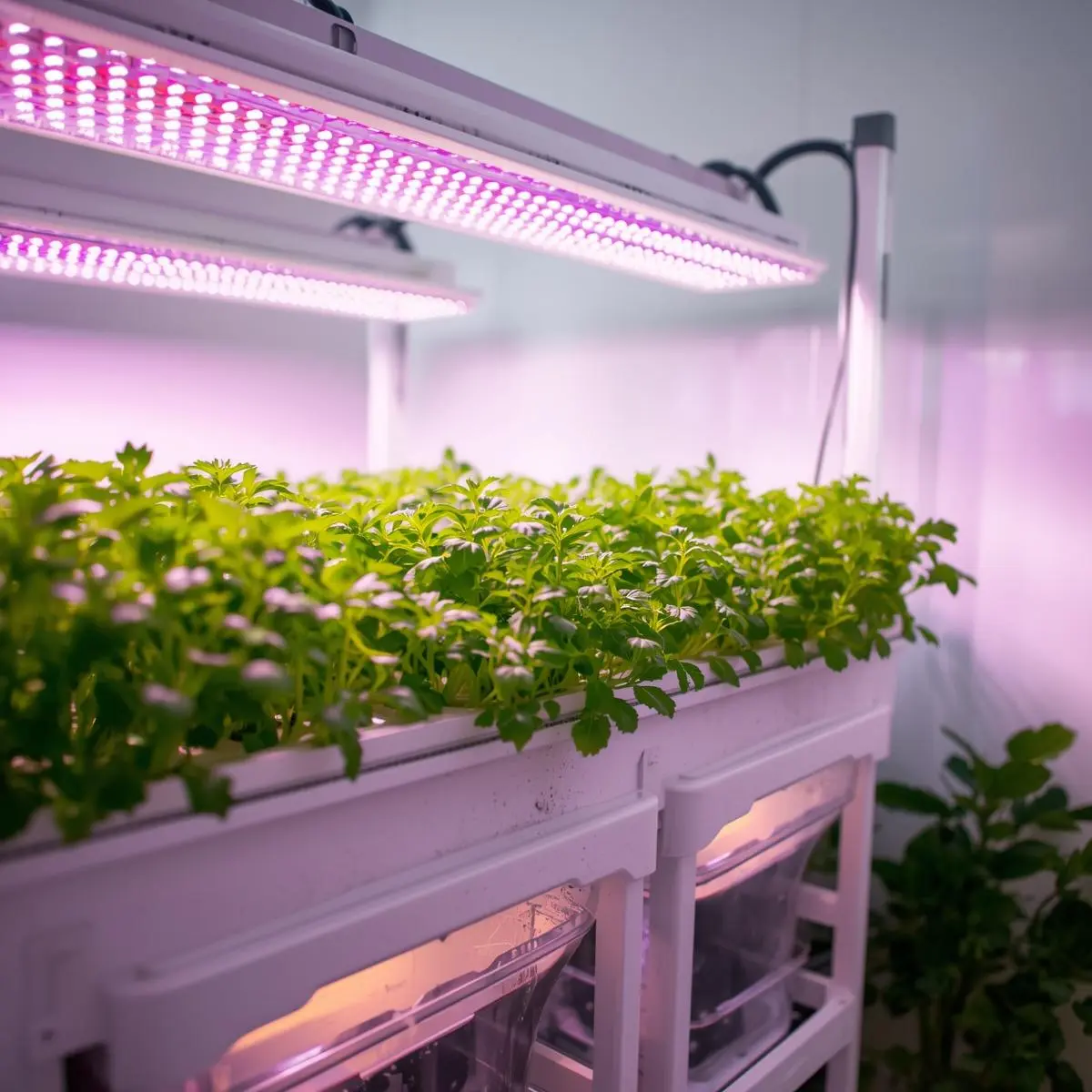
If you’ve ever wished your houseplants grew faster, needed fewer rescues, or survived the winter, you’re not alone. Many home gardeners reach a point where soil starts to feel limiting, it’s messy, unpredictable, often full of unwelcome pests, and, depending on where you live, seasonal growing can be a real challenge. That’s exactly where hydroponics in home gardening steps in and changes the game. It’s cleaner, more controlled, and surprisingly beginner-friendly. If you’ve been wondering why you keep hearing so much about it lately, this guide will walk you through the full picture: what hydroponics is, how it compares to soil, and why more people are switching every year.
Soil Gardening: The Classic Way We’ve Always Grown
For generations, soil has been the default medium for home gardeners, and to be fair, it does a lot of things incredibly well. Good soil provides:
- A rich community of microorganisms
- Natural nutrient cycling
- Physical support for roots
- Moisture-holding capacity
But it also comes with its share of headaches. If you’ve ever discovered gnats in the living room, or if your houseplants suddenly wilt without warning, you already know the downsides. Soil can harbor pests, bring in weeds, compact them over time, and limit indoors growing to certain seasons or sunny windows. In small apartments or low-light homes, soil can quickly become more trouble than it’s worth. That’s when many growers start looking for something cleaner, easier, and more predictable.
Hydroponics: Growing Without Soil, With More Control
Hydroponics replaces soil with a nutrient-rich water solution that directly nourishes plant roots. Instead of searching for nutrients in the soil, the roots rest comfortably in a perfectly balanced environment. Think of it as giving your plants room service instead of making them forage. The result? Faster growth, fewer problems, and a drastically cleaner setup indoors.
Some of the most common beginner-friendly hydroponic systems include:
- Deep Water Culture (DWC) – roots suspended in oxygenated nutrient water
- Nutrient Film Technique (NFT) – a thin stream of nutrients flowing past roots
- Kratky Method – passive, zero-pump hydroponics for low-maintenance growers
- Ebb & Flow – automated flooding and draining cycles
- Wick System – simple capillary action feeding the plants
Each of these has its own charm, and at Grow With Hydroponics, we often recommend starting with the setup that best matches your lifestyle—whether DIY, low-maintenance, or fully automated.
Why Hydroponics in Home Gardening Is Becoming the New Normal
Let’s unpack why soilless gardening has gone from niche to mainstream, especially for people growing indoors.
Hydroponics uses up to 90% less water
Here’s a fun fact: hydroponic systems can cut water usage by up to 90%. It sounds impossible until you remember that soil wastes water through drainage and evaporation. Hydroponics recirculates almost everything. For homes in warm or dry regions, this is a game-changer.
You can grow fresh food all year long
Winter basil? No problem. Leafy greens even in a basement apartment? Absolutely.
Hydroponics lets you control:
- Light
- Temperature
- Humidity
- Nutrient levels
Once plants stop depending on weather and soil, the growing season never ends.
It’s clean shockingly clean
No potting soil spilling on your floors, no fungus gnats, and no c-plant sneaking in. Many growers switch simply because they’re tired of battling pests or constantly sweeping spilled dirt from corners.
Small spaces suddenly feel huge
One of the biggest perks of hydroponic home gardening is its vertical scalability. Instead of relying on horizontal space, you can grow vertically using towers, racks, or tiered systems.
Even a studio apartment can support:
- 15–25 leafy greens
- A mini herb garden
- A compact tomato or pepper setup
All at the same time, with barely any mess.
You get total nutrient precision
This is where hydroponics really shines.
In soil, nutrients depend on the blend, age, microbes, and watering habits, which can be unpredictable. But with hydroponics, you can fine-tune everything:
- pH
- Electrical conductivity
- Macro and micronutrients
- Growth stages
That precision leads to:
- Faster growth
- Bigger yields
- Better flavor
- Consistent results
This is one reason many restaurants and commercial growers use hydroponics—but home gardeners get the same benefits.
Hydroponics vs. Soil: What’s the Real Difference?
If we boil it all down, here’s the simplest way to think about it:
Soil is natural, but hydroponics is controlled.
Soil comes with variability, sometimes good, sometimes not. Hydroponics removes guesswork and replaces it with predictable inputs and outcomes.
Here’s how the two compare:
Feature | Soil Gardening | Hydroponics |
Cleanliness | Can be messy | Very clean |
Water Use | High | Extremely low |
Pest Risk | Moderate–high | Very low |
Growth Speed | Moderate | Fast |
Yield Size | Limited | High |
Space Efficiency | Low | Very high |
Beginner Friendly | Medium | High |
Hydroponics doesn’t replace soil entirely, it simply offers an alternative that better fits modern living spaces, especially indoors.
Should You Switch to Hydroponics at Home?
If you’ve been craving a growing method that requires less effort and delivers more reward, hydroponics deserves a spot on your radar. You might enjoy hydroponic gardening if:
- You want indoor plants to grow consistently
- You prefer clean, low-maintenance setups
- You live in an apartment or low-sun home
- You enjoy customizing and experimenting
- You want fresh herbs, greens, or veggies year-round
And the best part? You don’t need to go all-in from day one. Many growers keep a mix of soil for aesthetic houseplants, hydroponics for herbs and food. If you’re ready to plan your system, you can use our free Grow Space Planner at Grow With Hydroponics to map out exactly what fits your available space.
Ready to Start? Here’s Where to Go Next
Hydroponics is a rabbit hole in the best way. Once you begin experimenting, you quickly learn that indoor gardening can be clean, predictable, and incredibly rewarding.
To keep your journey simple, here are helpful next steps:
- How to Set Up Your First Hydroponic Kit at Home
- Which Hydroponic System Should You Choose?
- DIY Hydroponic Projects for Apartments
- Best Nutrients for Home Hydroponics
And if you want a smoother start, the Hydroponic Tools Suite is designed to help you measure, track, and optimize your system without the usual guesswork. Because once you experience the ease of hydroponics in home gardening, it’s hard to imagine going back.

Dr. Awais Yousaf
Algorithm Specialist and Associate Professor leading R&D at Grow With Hydroponics. With 5+ years of hands-on experience in smart hydroponic systems, deep learning, and sustainable AgriTech, he is passionate about turning small spaces into high-yield indoor farms. Connect at awais.yousaf@iub.edu.pk