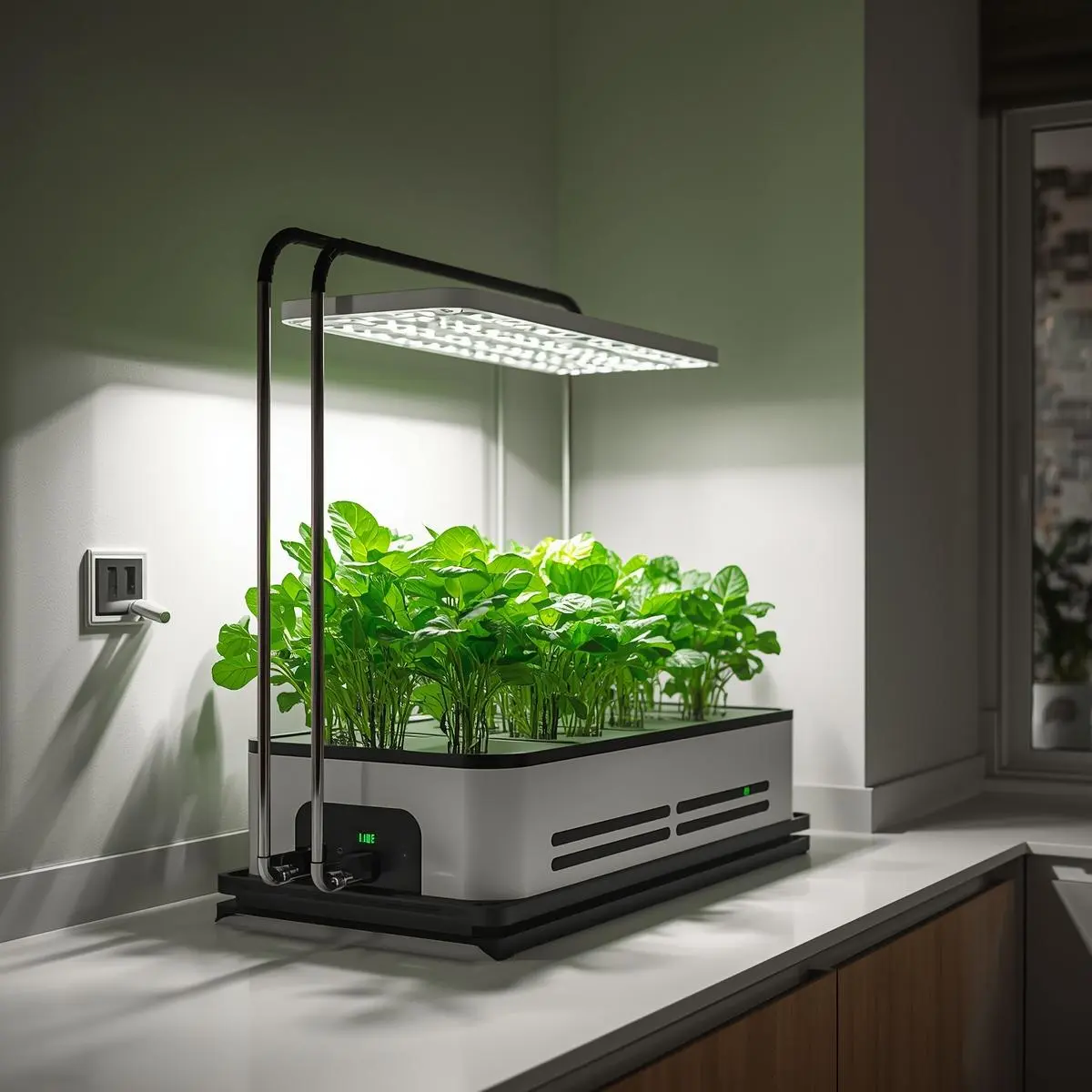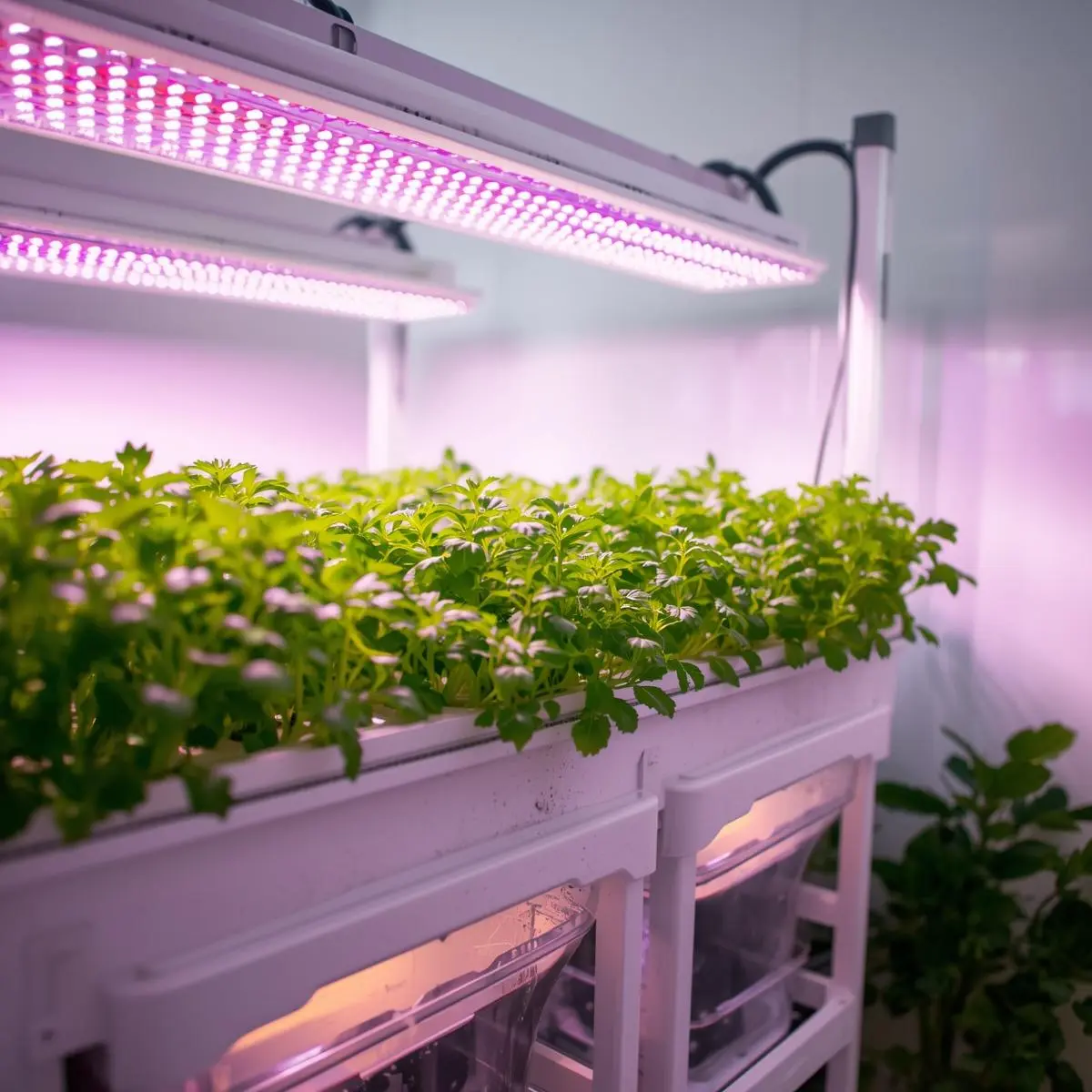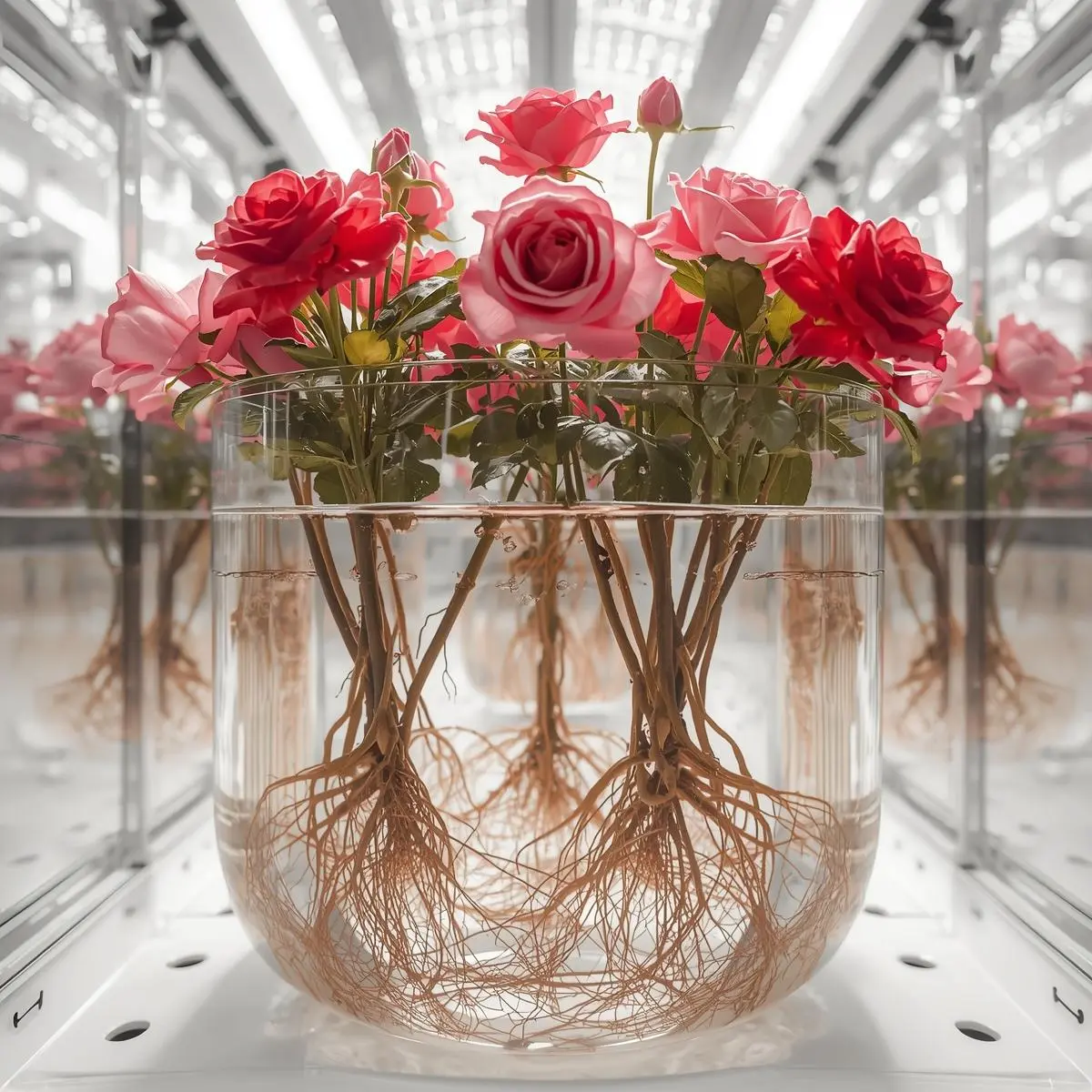
Let’s be frank: you can grow anything in a bucket of water if you’re stubborn enough. But you’re not here for a botanical stunt. You’re here for roses that will actually work—that won’t drop buds, stretch into your light fixtures, or just generally act like moody divas in your clean, controlled system. I’ve seen too many growers fall in love with a catalog picture, only to spend months nursing a stressed, soil-centric variety that was never meant for this life.
So, let’s skip the heartache. The central question isn’t about possibility; it’s about performance.
Which rose varieties actually perform well in hydroponic and indoor systems?
This isn’t guesswork. After a decade editing for tech and horticulture journals, you learn to spot the difference between a trending headline and a transferable fact. The criteria we’ll use here are the same used by commercial propagators and university research greenhouses: compact habit, manageable light appetite, and a root system that won’t drown in a nutrient bath. This guide pulls from that data and a frankly silly amount of trial-and-error in private grow rooms.
Why Rose Variety Selection Matters More in Hydroponics
In dirt, a rose’s flaws can be masked. Microbes, soil structure, and sheer volume provide a buffer. Hydroponics strips that away. It’s a direct line from your reservoir to the plant’s roots—no filter. What you get is an amplified, honest response. Choose a variety with a sprawling root habit or a massive light demand, and that flaw becomes the headline of your grow log. The right variety, however, turns hydroponics from a constant intervention into a smooth, predictable process.
What Makes a Rose Ideal for Hydroponic & Indoor Growing?
Forget “beauty” for a moment. We’re talking physiology. The ideal hydroponic rose possesses a specific set of traits:
Controlled size: Think miniature, patio, or floribunda. Your ceiling is your limit.
Repeat-blooming genetics: You want a cycle, not a one-hit wonder.
Strong basal breaks: New growth from the base, not just leggy elongation.
Low chill requirement: Many outdoor roses need winter dormancy. Indoor roses can’t get it.
Efficient nutrient uptake: They should thrive within a stable Electrical Conductivity (EC) range, not yo-yo with every minor fluctuation.
Frankly, this is where most beginners go wrong. They try to force a majestic hybrid tea bred for English gardens into a 2’x4′ tent. It’s a mismatch, not a failure of the system.
Best Rose Categories for Hydroponic & Indoor Systems
Let’s break this down by category, from the most forgiving to the most demanding.
Miniature Roses (Top Choice for Indoors)
Miniature roses aren’t just small; they’re perfectly scaled for artificial environments. In my experience, they’re the undisputed champions of reliability for indoor hydro.
Why they excel: Their entire architecture—root and canopy—is compact. They transition from veg to bloom quickly under LEDs and don’t require the intense light levels of their larger cousins. Their nutrient response is precise, almost like they’re reading the recipe alongside you.
The research angle: Controlled-environment studies consistently show miniatures maintain higher photosynthetic efficiency per square inch of leaf. Translation: they’re built for efficiency.
Proven Varieties:
‘Baby Masquerade’: A prolific repeat bloomer that seems to always have buds in some stage.
‘Orange Sunblaze’: Holds its color well under artificial light and has surprisingly sturdy stems.
‘Sweet Fairy’: Manages to retain a classic rose fragrance indoors, which is rarer than you’d think.
A quick tip: Use our Grow Space Planner. Even miniatures need breathing room. Overcrowding is a fast track to powdery mildew, no matter how clean your system is.
Floribunda Roses (Best Balance of Beauty & Manageability)
This is the sweet spot. Floribundas give you the classic rose form and cluster blooms without the daunting scale of a hybrid tea. They’re the workhorses of the cut-flower industry for a reason.
Why they work hydroponically: Flowering in clusters is more energy-efficient for the plant than producing one massive bloom per stem. They tolerate aggressive pruning and training, and their height is usually manageable under an 8-foot ceiling.
Indoor performance notes: They initiate buds reliably under a consistent 14-16 hour light cycle and respond beautifully to a potassium bump during flowering. I’ve found them less prone to bud blast (where buds abort) than hybrid teas when environmental variables slip.
Proven Varieties:
‘Iceberg’: The textbook example of adaptability. It’s forgiving, which in hydroponics is a supreme virtue.
‘Julia Child’: Not just a great name—it exhibits excellent nutrient uptake efficiency.
‘Sunsprite’: Its vibrant yellow pigment holds up remarkably well under full-spectrum LEDs.
Pro move: Dial in your DLI Calculator during the flowering stretch. Hitting the sweet spot (usually 14-18 mol/m²/day for floribundas) means more blooms, not just more leaves.
Patio Roses (Underrated but Excellent Indoors)
Don’t sleep on patio roses. They’re bred explicitly for container life, which translates beautifully to the constrained root zone of a hydroponic bucket or slab.
Why they shine indoors: Short internodes (the space between leaves), strong stems, and a genetics package optimized for limited soil volume. They’re pre-adapted to our world.
The hidden advantage: Container-bred varieties often show less transpiration stress under stable environments. This makes them easier to manage once you’ve dialed in your Vapor Pressure Deficit (VPD).
Reliable Varieties:
‘Kordana Series’: Literally bred for indoor pot culture. It’s a cheat code.
‘Peach Drift’: Offers stellar disease resistance, a trait that’s golden in a recirculating system.
Here’s where a tool becomes essential: The VPD Calculator is non-negotiable with roses. Patio types, in particular, will show you exactly what they think of your humidity-to-temperature ratio. Get it right, and growth is vigorous. Get it wrong, and they stall.
Hybrid Tea Roses (Advanced Growers Only)
Okay, let’s talk about hybrid teas. Can it be done? Yes. Should you start with them? Absolutely not.
They are the high-performance sports cars of the rose world: breathtaking when tuned perfectly, temperamental and expensive when they’re not.
The challenges: Their light demand is ferocious. Their root mass is substantial. They are sensitive to EC swings and require impeccable air flow to prevent disease in their dense foliage.
The prerequisites: You’ll need high-DLI lighting, likely CO₂ enrichment, and a meticulous climate control strategy. This is for the grower who has already mastered the basics on easier varieties.
Less-Problematic Varieties (Relatively Speaking):
‘Mr. Lincoln’: Has a strong stem structure that can support its large bloom.
‘Double Delight’: I’ve seen it adapt reasonably well to a tightly controlled EC regimen.
If you’re determined: Run your setup through the Grow Space Simulator first. It’s far cheaper to discover a spacing or light-coverage flaw virtually than after you’ve invested in plants and three months of time.
Root Behavior: The Hidden Factor Most Growers Ignore
We look at the blooms, but success is built underground. In hydroponics, root architecture is destiny. The best varieties have fibrous, laterally branching roots that tolerate high oxygen levels. Miniatures and patio roses win again here.
If you see sluggish growth, don’t just blindly adjust nutrients. A root issue is often environmental. Our Deficiency Calculator can help you distinguish between, say, a calcium deficiency and simple root zone suffocation—two problems that look similar topside but have very different fixes.
Nutrient Efficiency by Rose Type
Each category has its own appetite. While miniature roses might thrive at 1.6–2.0 EC, a hybrid tea will demand 2.2–2.8 EC to reach its potential. The key isn’t a universal number; it’s matching the solution to the plant’s genetics and growth stage.
Forget memorization. Use the Nutrient Calculator to build your recipes. And to avoid unit confusion—because one meter says ppm 500, another says EC 1.0—keep the EC ↔ PPM Converter bookmarked. Consistency is everything.
Light Requirements by Rose Variety
This is your #1 limiting factor indoors. You cannot cheat physics.
Miniature roses: 12–16 mol/m²/day
Floribunda roses: 14–18 mol/m²/day
Patio roses: 13–17 mol/m²/day
Hybrid teas: 18–22+ mol/m²/day
Shop Smart: When you Shop Smart for grow lights, pair the purchase with our DLI Calculator. You’re buying the right photon delivery for your chosen variety, not just the brightest box on the shelf.
For those diving deep into spectral quality and photon density, the Indoor Plant Sunlight Analysis System is the next-level tool for optimizing bloom size and color, especially in complex, multi-tiered setups.
Can You Grow Multiple Rose Varieties Together?
You can, but it’s a coordination exercise. They need to share similar EC tolerances, light demands, and climate preferences. Trying to grow a light-hungry hybrid tea next to a content miniature is a recipe for compromise—one will always lose.
If you’re planning a mixed display, the Multi-Crop Planner is invaluable. It helps you stagger grows and manage resources so one variety doesn’t overshadow another.
Common Mistake: Choosing Roses for Looks, Not Physiology
We’ve all done it. You choose the rose from your grandmother’s garden or the stunning one from a magazine spread. Hydroponics, however, rewards a dispassionate, almost clinical selection. It rewards compatibility. Save the sentimental picks for the outdoor bed; for your indoor system, choose the athlete bred for the event.
Keep Learning:
For the full, deep dive into this fascinating crop, from propagation to harvest, see our pillar guide: How to Grow Roses Hydroponically: Science-Backed Complete Guide.
Best Rose Varieties for Hydroponic & Indoor Growing
Here’s the stripped-down, no-fluff take:
Start with miniature roses for guaranteed, low-fuss success. Move to floribundas when you want more visual impact without the high stakes. Patio roses are your secret weapon for small spaces and efficient production. Only attempt hybrid teas after your environment is a rock-solid, dialed-in machine.
The community at Grow With Hydroponics thrives on this principle: Match the plant to the system. Do that with roses, and you transform a finicky, soil-bound symbol into a reliable, clean, and endlessly fascinating hydroponic crop. The blooms, I promise, will smell just as sweet.
FAQ: Hydroponic Roses Indoors
Will any rose work hydroponically?
Technically, maybe. Successfully? No. A rose bred for a sprawling garden has different genetics—light hunger, root vigor, space needs—that clash with a controlled indoor system. You’re not just changing the medium; you’re changing the entire world the plant lives in. Start with varieties bred for constraint (miniatures, patio roses) and you sidestep a world of frustration. It’s the single smartest choice you can make.
What’s the most common nutrient mistake with hydroponic roses?
Chasing a deficiency with brute force. A yellow leaf isn’t always a hunger signal. In hydroponics, it’s often a root zone or environmental issue masquerading as a deficiency—pH lockout, poor oxygenation, or incorrect VPD slowing nutrient uptake. Always check your fundamentals (pH, EC, root health, temperature) before tweaking your nutrient formula. Our Deficiency Calculator is built to guide you through this diagnostic logic, not just spit out an answer.
Can I use cuttings from my garden rose?
You can try. It’s how many of us experiment. But understand: a cutting inherits the mother plant’s mature physiology. If that garden rose is a tall, once-blooming variety needing winter chill, the cutting will carry those same traits into your tent. It will be fighting its own DNA. For reliable results, source cuttings or young plants of the recommended compact, repeat-blooming varieties.
How do I prevent disease in a closed indoor system?
Airflow. Airflow. Airflow. Stagnant, humid air is a fungal spore’s paradise. Use oscillating fans to create a gentle breeze across the canopy—leaves should shimmer, not whip. Keep relative humidity in check with your VPD Calculator. Good practices are non-negotiable: clean your system between grows, remove dead foliage promptly, and quarantine new plants. Prevention is everything; there are no beneficial insects indoors to save you.
Is CO₂ enrichment necessary?
For miniature or patio roses in a hobby setup? Rarely. For pushing hybrid teas to their maximum potential in a sealed environment? It can be a game-changer. Think of CO₂ as an accelerator, not a starter motor. It only works if every other factor (light, nutrients, temperature) is already optimized. If your environment isn’t dialed in, adding CO₂ is a waste. It’s an advanced tool, not a beginner’s hack.
Why do my rose buds sometimes fall off before opening (bud blast)?
This is the plant’s stress response. Common indoor culprits are:
VPD Swings: A sudden drop in humidity or spike in temperature.
EC Fluctuation: A drastic change in nutrient strength.
Root Zone Problems: Temperature shock or oxygen deprivation.
Roses, especially floribundas and hybrid teas, are sensitive during bud formation. Consistency is more critical than perfection.
Where can I find these specific rose varieties?
Look for specialty rose nurseries online that sell own-root roses (not grafted). Many grafted roses use a vigorous rootstock that’s irrelevant and sometimes problematic in hydro. Search for the variety names listed (e.g., ‘Kordana’, ‘Sunblaze’, ‘Iceberg’). You may need to hunt, but starting with the right genetics is worth the search.
Still have questions? The real-world growers at Grow With Hydroponics are your best resource. We’ve collectively seen every quirk and failure—chances are, your problem has a solution that’s already been sweat over and solved.