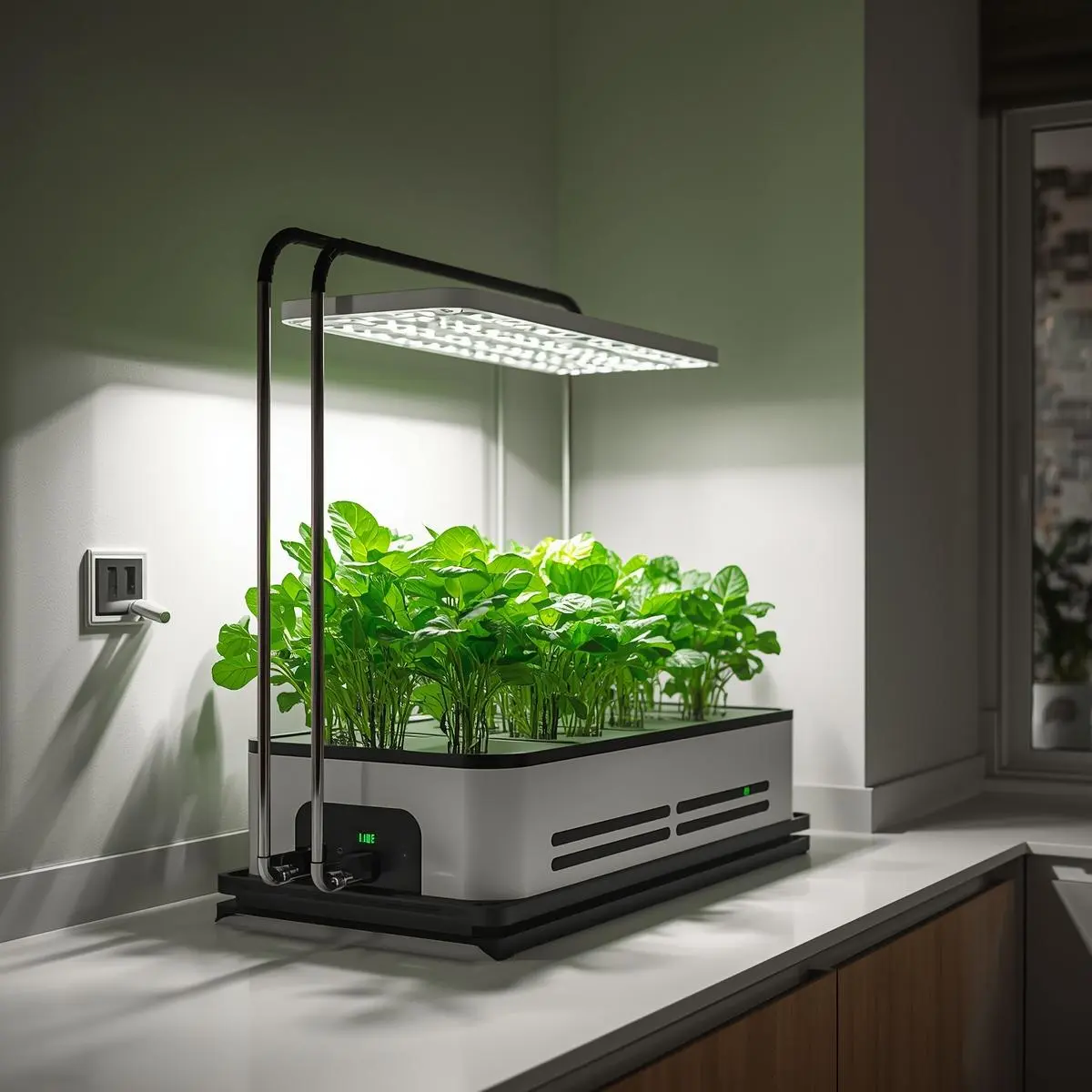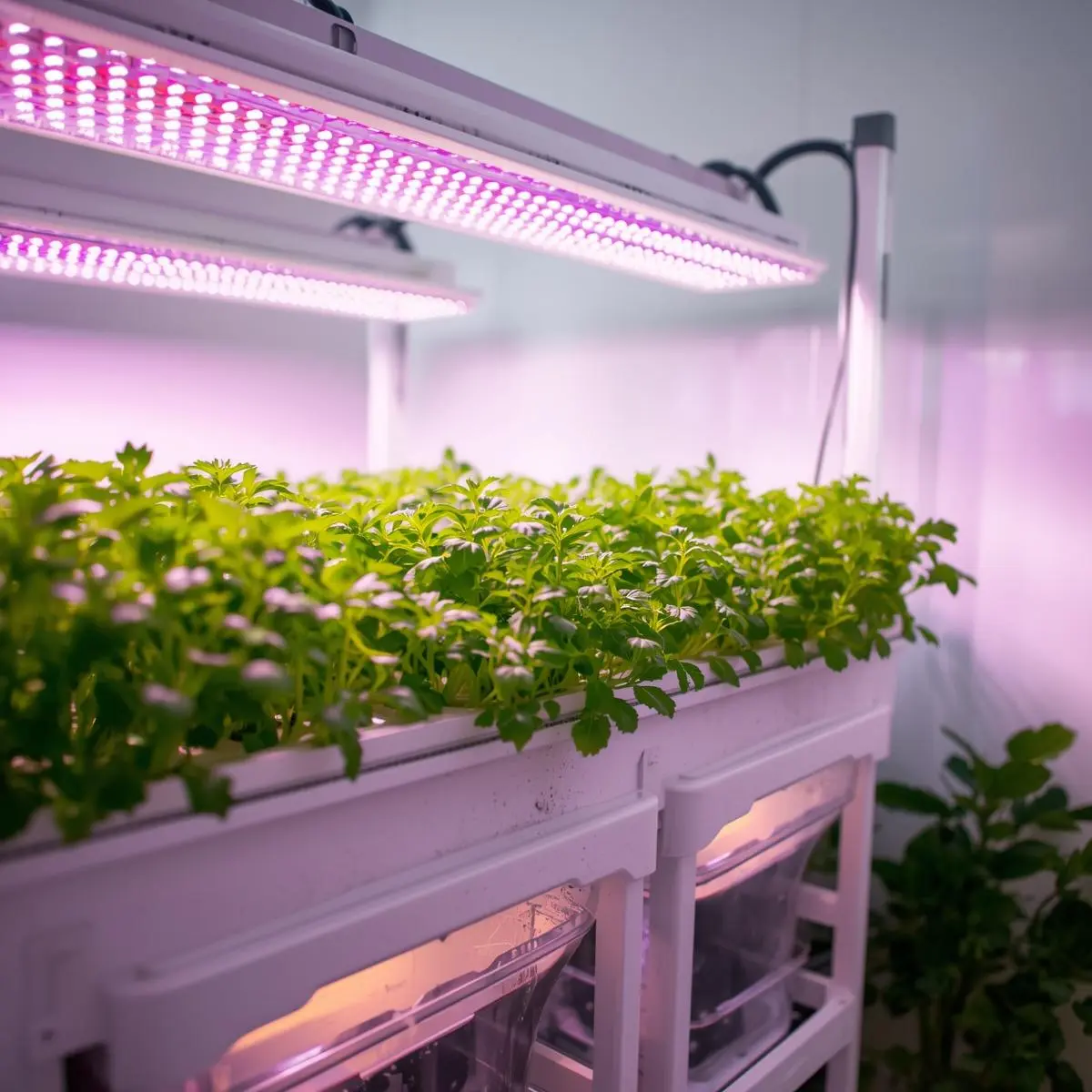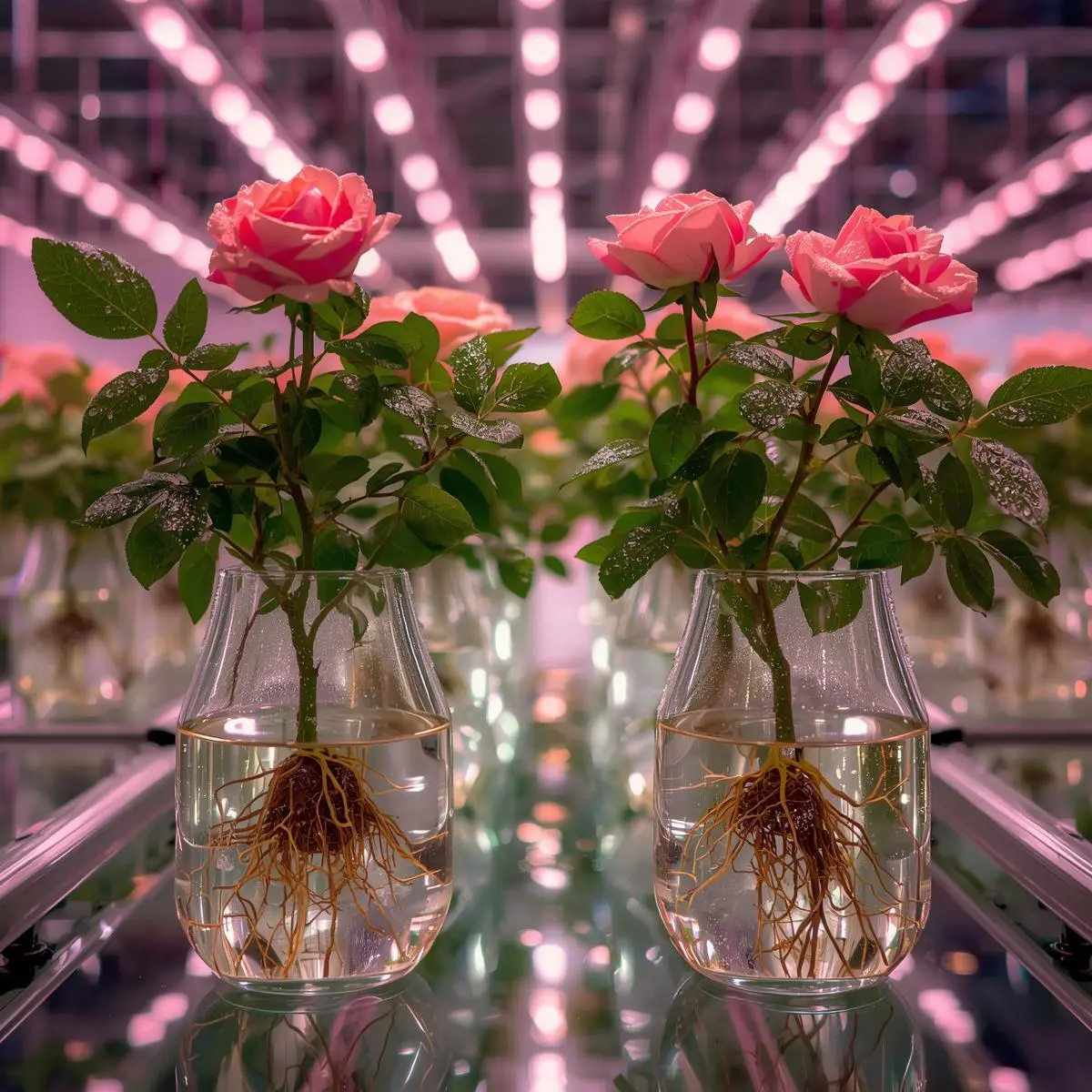
Growing roses hydroponically can feel like stepping into a world of precision, beauty, and rapid growth—until it doesn’t. One small misstep and weeks of care spiral down the drain. I’ve stood there staring at yellowing leaves, wondering if this was normal or the beginning of the end. (Spoiler: it was usually the beginning of the end.)
If you’ve had that moment, you’re not alone. At Grow With Hydroponics, we’ve watched beginners make the same mistakes year after year—small oversights in nutrition, light, or environment that dramatically slow growth or flat-out kill plants. The good news? They’re all avoidable once you know what to look for.
In this guide, we’ll walk through the most common beginner mistakes when growing hydroponic roses, show you how to spot them before they spiral, and point you to tools that turn guesswork into actual growing.
Why Hydroponic Roses Require Extra Care
Hydroponic systems strip away the forgiving nature of soil. There’s no buffer, no microbial backup, and no hidden nutrient bank. Every variable—nutrients, pH, lighting, humidity, and CO₂—is amplified. This precision enables faster growth and more beautiful blooms, sure. But it also means beginner errors have immediate consequences.
Soil gives you a week to fix a mistake. Hydroponics gives you days. Sometimes hours.
Key considerations include:
Nutrient balance and solution strength
Optimal light exposure
Temperature and humidity control
Disease prevention
Understanding the “why” behind each factor saves you from the trial-and-error failures that discourage so many beginners. Frankly, most people quit not because hydroponics is hard, but because no one explained the stakes.
Mistake #1 – Neglecting Nutrient Precision
What is the fastest way for beginners to kill hydroponic roses? Mismanaging nutrients. Unlike soil, hydroponic plants rely entirely on dissolved nutrients for growth.
Too much or too little stresses plants, stunts growth, or triggers deficiencies that look like diseases.
Common Nutrient Errors
Overfeeding—Excess fertilizer burns roots and inhibits absorption. I’ve seen perfectly healthy roses nuked in 48 hours by someone who thought “a little extra” would help.
Underfeeding—Sparse nutrients slow growth, weaken stems, and reduce blooms. The plant survives but never thrives.
Ignoring pH and EC—Even perfect nutrient ratios fail if pH or electrical conductivity (EC) isn’t optimal. The food’s there—the plant just can’t eat it.
Hydroponic Tool Tip:
Use the Nutrient Calculator to mix precise solutions. It matches nutrient concentrations to rose growth stages, so you’re not guessing whether “a pinch” means 2 milliliters or 20. Pair it with the EC ↔ PPM Converter to monitor and adjust solution strength efficiently. No more mixing up 500 and 700 scales.
Mistake #2 – Mismanaging Light Exposure
Light drives photosynthesis. Simple enough. But beginners consistently misjudge intensity and duration.
Roses are sun-loving plants, and hydroponics magnifies light effects: too little slows growth to a crawl, and too much stresses foliage until it bleaches and crisps.
Can I Use Tap Water for Hydroponics?
I know what you’re thinking—” It’s just water, right? “Not quite. Tap water seems harmless until you realize high hardness or chlorine interferes with nutrient uptake. You could have perfect LEDs and still get poor leaf development because the plant can’t absorb what’s available. Test your source water. It’s boring, but it beats troubleshooting for weeks.
How to Avoid Light Mistakes
Assess natural sunlight availability for indoor setups realistically. A south-facing window isn’t enough for roses. It’s never enough.
Use the DLI Calculator to plan lighting schedules. Daily Light Integral (DLI) tells you exactly what your plants get, not what you hope they’re getting.
Test light placement with the Indoor Plant Sunlight Analysis System to monitor photon-level exposure. Yes, photon-level. Light isn’t just light anymore.
Shop Smart Tip:
When you Shop Smart for grow lights, use the DLI Calculator to match fixtures to your roses’ specific needs—avoiding waste and preventing the stress that comes from blasting young plants with more light than they can handle.
[Internal Link Suggestion: See our guide to ideal lighting setups “like this” -> /blog/hydroponic-lighting-tips/]
Mistake #3 – Ignoring Temperature and Humidity
Roses thrive within a narrow range. They’re not dramatic about it—they just stop growing when conditions drift.
Beginners often underestimate how temperature and humidity interact, treating them as separate dials instead of two parts of one system.
Symptoms of Poor Environmental Control
Drooping leaves in high heat (plants can’t cool themselves)
Stunted growth during cool nights (metabolism slows to nothing)
Powdery mildew in overly humid conditions (once it appears, you’re fighting for weeks)
Tools to Stay on Track
VPD Calculator—Optimizes vapor pressure deficit, balancing temperature and humidity so your plants transpire efficiently. Get this right, and your nutrient uptake improves without changing your reservoir.
CO₂ Calculator – Helps manage enrichment for maximum photosynthetic efficiency. More CO₂ only helps if light and temperature are already dialed in. Otherwise, you’re just wasting gas.
Proper environmental management won’t just reduce disease risk—it’ll speed up bloom cycles noticeably. I’ve seen growers shave two weeks off flowering time just by dialing in VPD.
Mistake #4 – Poor System Maintenance
Hydroponic roses demand clean, well-maintained systems. Beginners often skip routine cleaning because nothing looks wrong yet. Then roots rot, algae blooms, and pumps clog—all at once, always on a holiday weekend.
Maintenance Pitfalls
Failing to clean reservoirs between cycles (old root matter decomposes and invites pathogens)
Ignoring root inspection for signs of decay (by the time roots look bad, the problem started weeks ago)
Overlooking pump or tubing clogs (reduced flow means reduced oxygen)
Hydroponics Tool Tip:
Schedule a weekly check of your hydroponic system. Use the Grow Space Planner to organize equipment and prevent overcrowding, ensuring roots get maximum oxygenation and water flow.
A few minutes of prevention beats emergency reservoir changes at midnight.
Mistake #5 – Mismanaging Multiple Plants
Growing different rose varieties together sounds efficient. In practice, it’s complicated. Each cultivar has slightly different requirements for nutrients, light, and temperature. Treated the same, one thrives while the other merely survives.
How to Manage Multi-Crop Setups
Track plant-specific needs using the Multi-Crop Planner. It handles the compatibility math so you’re not guessing.
Group plants with similar growth requirements. Lettuce and roses don’t belong in the same system—learn this now.
Use the Grow Space Simulator to test plant arrangements before committing to real-world layouts. It’s cheaper to move virtual plants than real ones.
This approach prevents competition for resources and keeps your timeline on track. Mixed systems can work, but they require intention—not just available net pots.
Advanced Tips for Consistent Success
Monitor daily: Even a 24-hour lapse in pH or nutrient monitoring can stress roses. Set a reminder if you have to. Your future self will thank you.
Record everything: log nutrient changes, lighting schedules, and environmental conditions. Patterns emerge over weeks that you’d never spot day-to-day.
Iterate in small batches: Change one variable at a time. Adjusting light, nutrients, and VPD simultaneously means you’ll never know what actually worked.
Pro Tip:
Integrating Grow With Hydroponics tools like the Deficiency Calculator can save weeks of troubleshooting, guiding you to correct issues before visible damage becomes irreversible. I’ve used it to catch a zinc deficiency three days before it would’ve stalled flowering entirely.
For the complete foundation every rose grower needs, check out our comprehensive guide: How to Grow Roses Hydroponically: Science-Backed Complete Guide (2026).
FAQ
Q: How often should I change my nutrient solution for hydroponic roses?
Every 7–10 days is standard, but monitor EC closely. If levels drift significantly between changes, adjust frequency.
Q: Can I grow roses indoors without grow lights?
Not successfully. Roses need high light—windows alone won’t cut it for flowering.
Q: What pH range should I maintain?
5.5 to 6.2. Outside that range, nutrient lockout happens fast.
Q: How do I know if I’m overwatering in hydroponics?
Check roots. Brown, slimy roots mean too little oxygen—often from poor circulation, not too much water.
Q: When should I start using bloom nutrients?
When you see the first flower buds forming. Switching too early limits vegetative growth; switching too late delays flowering.
Stop Guessing—Start Growing!
Growing hydroponic roses as a beginner can feel like navigating a tightrope—but avoiding these common mistakes dramatically increases your chance of success. Focus on nutrient precision, light management, environmental control, system hygiene, and multi-plant coordination. Tools like DLI Calculator, VPD Calculator, Grow Space Planner, and Multi-Crop Planner aren’t crutches—they’re the difference between hoping and knowing.
Remember, every setback is a learning opportunity. With patience, monitoring, and the right tools, your hydroponic roses can flourish beautifully—on time and in full bloom. Start small. Measure carefully. And watch your roses actually thrive.